Top Customer Engagement Platforms: ROI for US Digital Retailers 2026
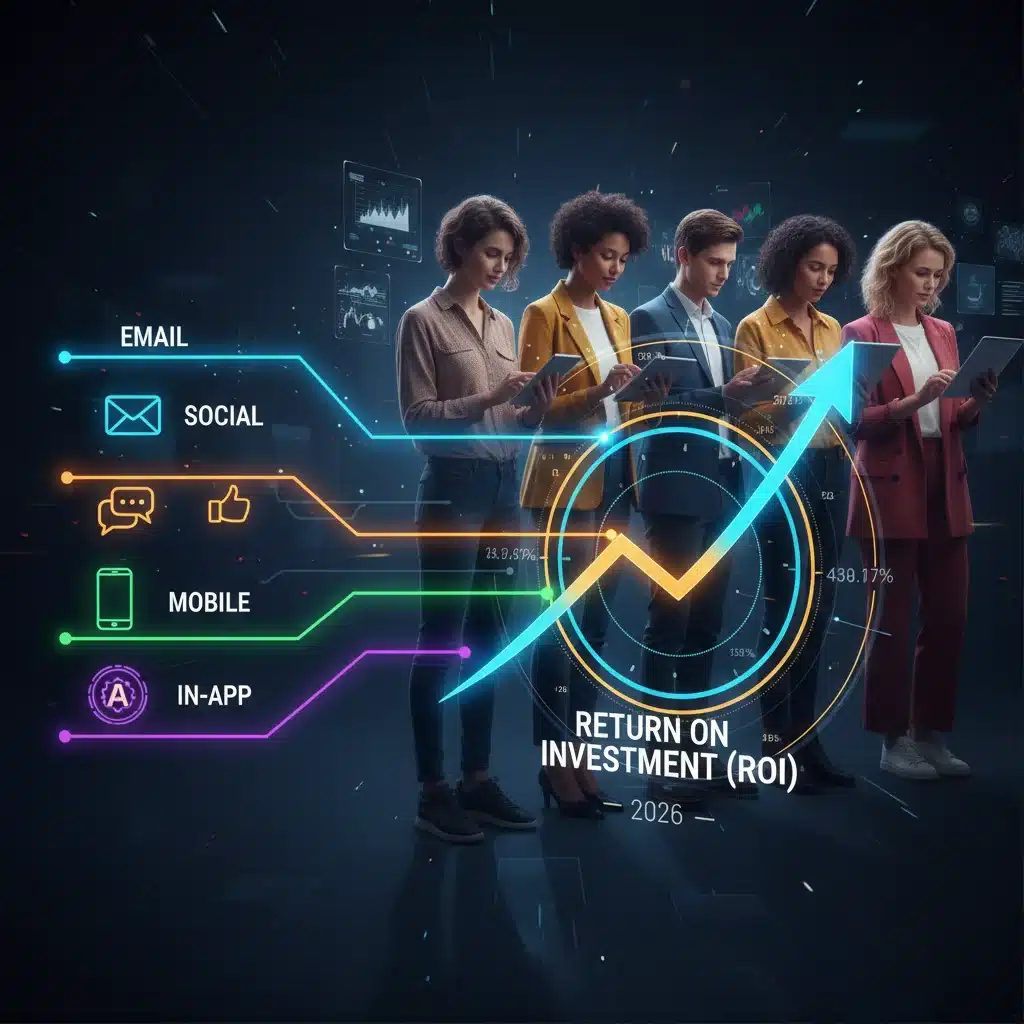
In the fiercely competitive landscape of US digital retail, where consumer expectations are constantly evolving and the battle for attention is relentless, mastering customer engagement is no longer a luxury – it’s a fundamental necessity for survival and growth. As we look towards 2026, the platforms that enable seamless, personalized, and impactful interactions will be the cornerstones of successful e-commerce strategies. But with a plethora of options available, how do digital retailers identify the customer engagement platforms that truly deliver the best customer engagement ROI?
This comprehensive analysis dives deep into four market-leading customer engagement platforms, scrutinizing their features, capabilities, and, most importantly, their potential to generate significant return on investment for US digital retailers. We’ll explore how these platforms empower businesses to build stronger relationships, foster loyalty, and ultimately drive revenue in an increasingly digital-first world.
The Imperative of Customer Engagement in Digital Retail
The digital retail sector is characterized by low barriers to entry and intense competition. Customers today have more choices than ever before, and their loyalty is not a given. They expect personalized experiences, seamless interactions across multiple channels, and brands that understand their needs and preferences. Failing to meet these expectations can lead to high churn rates and lost revenue.
This is precisely where effective customer engagement comes into play. A robust customer engagement strategy, powered by the right platform, allows digital retailers to:
- Understand Customer Behavior: Collect and analyze data to gain deep insights into purchasing patterns, preferences, and pain points.
- Personalize Experiences: Deliver tailored content, product recommendations, and offers that resonate with individual customers.
- Build Loyalty: Foster a sense of connection and value, encouraging repeat purchases and advocacy.
- Improve Customer Satisfaction: Provide timely support and proactive communication, enhancing the overall customer journey.
- Drive Conversions: Guide customers through the sales funnel more effectively with targeted messaging and calls to action.
- Increase Customer Lifetime Value (CLTV): Nurture long-term relationships that lead to sustained revenue over time.
The measurable impact of these benefits directly translates into a positive customer engagement ROI. Investing in the right platform isn’t just about spending money; it’s about strategically allocating resources to generate tangible financial returns.
Key Considerations for Evaluating Customer Engagement Platforms
Before we delve into specific platforms, it’s crucial to understand the criteria that US digital retailers should prioritize when evaluating their options. The best platform for one business might not be the ideal choice for another, as needs vary based on scale, target audience, product type, and existing technology stack. However, several universal factors influence the potential for high customer engagement ROI:
1. Omnichannel Capabilities
Modern customers interact with brands across a multitude of channels: email, SMS, social media, in-app messaging, web chat, and even physical stores for BOPIS (Buy Online, Pick Up In-Store) options. A truly effective customer engagement platform must provide a unified view of the customer and enable consistent, seamless communication across all these touchpoints. This ensures that the customer journey is fluid and coherent, regardless of how they choose to interact.
2. Personalization and Segmentation
Generic marketing messages are ineffective. The ability to segment audiences into granular groups based on demographics, behavior, purchase history, and preferences is paramount. Furthermore, the platform should facilitate dynamic, real-time personalization of content, product recommendations, and offers. This level of tailored communication significantly boosts engagement and conversion rates, directly impacting customer engagement ROI.
3. Automation and AI-Powered Insights
Manual processes are time-consuming and prone to error. Leading platforms leverage automation to streamline routine tasks, such as sending welcome emails, abandoned cart reminders, or re-engagement campaigns. Artificial intelligence (AI) takes this a step further by providing predictive analytics, identifying at-risk customers, recommending optimal send times, and even generating personalized content. AI-driven insights help retailers make data-backed decisions, maximizing their return.
4. Data Integration and Analytics
A customer engagement platform is only as good as the data it can access and analyze. Seamless integration with existing CRM, ERP, e-commerce platforms (like Shopify, Magento, Salesforce Commerce Cloud), and other marketing tools is essential. Robust analytics and reporting features are critical for tracking campaign performance, understanding customer behavior, and demonstrating the measurable customer engagement ROI.
5. Scalability and Flexibility
As digital retailers grow, their customer engagement needs will evolve. The chosen platform must be scalable enough to handle increasing data volumes and customer interactions. It should also be flexible enough to adapt to changing marketing strategies and integrate with new technologies as they emerge.
6. Ease of Use and Implementation
Even the most powerful platform is useless if it’s too complex for teams to use effectively. A user-friendly interface, comprehensive documentation, and strong customer support are vital for smooth implementation and ongoing optimization. A platform that is difficult to use can negate potential ROI through increased training costs and reduced adoption.
Deep Dive into 4 Market Leaders for Customer Engagement ROI in 2026
Now, let’s examine four prominent customer engagement platforms that are poised to deliver exceptional customer engagement ROI for US digital retailers in 2026.
1. Salesforce Marketing Cloud
Overview: Salesforce Marketing Cloud is an expansive, enterprise-grade platform offering a comprehensive suite of tools for digital marketing, automation, and analytics. It’s particularly strong for larger digital retailers with complex customer journeys and diverse marketing needs. Its strength lies in its ability to connect various aspects of the customer experience, from marketing to sales and service, all within the Salesforce ecosystem.
Key Features for Digital Retailers:
- Journey Builder: Visually design and automate personalized customer journeys across email, mobile, web, and advertising. This is critical for guiding customers through the purchase funnel and post-purchase engagement.
- Email Studio: Advanced email marketing capabilities with robust segmentation, A/B testing, and dynamic content.
- Mobile Studio: Engage customers via SMS, push notifications, and in-app messaging, crucial for mobile-first shoppers.
- Advertising Studio: Connect customer data with ad platforms to create highly targeted ad campaigns, improving ad spend efficiency.
- Interaction Studio (Personalization Builder): Real-time personalization across web, email, and mobile based on individual customer behavior. This is a significant differentiator for driving conversions and improving the customer experience.
- Datorama (Marketing Intelligence): Advanced analytics and reporting to unify marketing data and measure performance across all channels, providing clear insights into customer engagement ROI.
Pros for ROI: Salesforce Marketing Cloud excels at providing a 360-degree view of the customer, enabling highly personalized and automated journeys that significantly boost conversion rates and customer lifetime value. Its extensive integration capabilities within the Salesforce ecosystem mean a unified data strategy, reducing data silos and improving decision-making. The advanced analytics provide clear pathways to optimize campaigns and prove ROI.
Considerations: Its comprehensive nature can mean a higher price point and a steeper learning curve, making it more suitable for larger digital retailers with dedicated marketing teams and a substantial budget. Implementation can be complex and may require specialized resources.
2. Braze
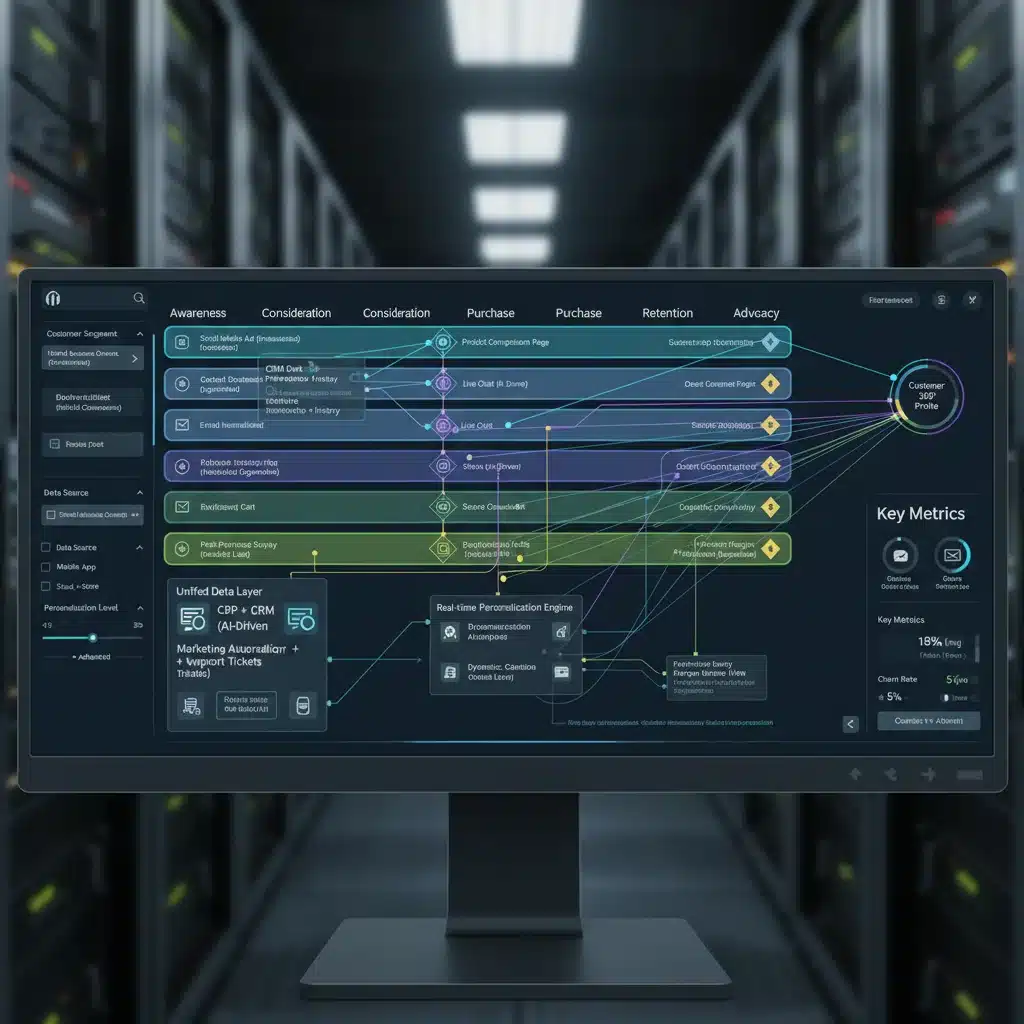
Overview: Braze is a leading customer engagement platform known for its real-time customer data platform (CDP) capabilities and strong emphasis on mobile-first engagement. It’s particularly favored by digital-native brands and those with a significant mobile presence, focusing on delivering relevant messages across channels at critical moments.
Key Features for Digital Retailers:
- Real-time CDP: Unifies customer data from various sources in real-time, creating dynamic customer profiles. This allows for immediate, context-aware engagement.
- Canvas: A powerful visual journey builder to orchestrate personalized campaigns across email, SMS, push notifications, in-app messages, and webhooks.
- Intelligent Content: Allows for dynamic content personalization based on real-time user behavior and preferences.
- Experimentation & Optimization: Robust A/B testing and multivariate testing capabilities to continuously improve campaign performance and optimize for customer engagement ROI.
- Predictive Analytics: AI-powered features to predict user behavior, identify churn risks, and recommend optimal engagement strategies.
- Flexible APIs and Integrations: Easy integration with existing e-commerce platforms, CRMs, and data warehouses.
Pros for ROI: Braze’s real-time capabilities and focus on individualized engagement mean highly relevant and timely communications, leading to higher conversion rates, improved retention, and increased CLTV. Its mobile-first approach is invaluable for retailers targeting smartphone-savvy customers. The experimentation tools ensure continuous optimization, directly contributing to a better customer engagement ROI.
Considerations: While powerful, Braze can be a significant investment, especially for smaller businesses. Its strength in mobile might mean that retailers with a less mobile-centric strategy might not fully leverage all its capabilities.
3. Klaviyo
Overview: Klaviyo has emerged as a powerhouse for e-commerce brands, particularly those built on platforms like Shopify, Magento, and WooCommerce. It’s renowned for its deep data integration with e-commerce platforms, making it incredibly effective for segmentation, personalization, and automated flows specifically designed to drive online sales and improve customer engagement ROI.
Key Features for Digital Retailers:
- Deep E-commerce Integrations: Seamlessly connects with major e-commerce platforms to pull in purchase history, browsing behavior, abandoned carts, and more. This data richness is Klaviyo’s core strength.
- Powerful Segmentation: Create highly specific customer segments based on virtually any e-commerce data point (e.g., ‘customers who bought product X but not product Y in the last 60 days’).
- Automated Flows (Email & SMS): Pre-built and customizable flows for welcome series, abandoned carts, browse abandonment, post-purchase follow-ups, win-back campaigns, and more. These are highly effective for driving repeat purchases.
- Personalized Product Recommendations: Leverage purchase history and browsing data to suggest relevant products in emails and on websites.
- A/B Testing: Optimize subject lines, content, send times, and calls to action to maximize engagement and conversions.
- Robust Analytics: Detailed reporting on campaign performance, revenue generated, and customer lifetime value.
Pros for ROI: Klaviyo’s e-commerce native design means it’s incredibly efficient at converting leads and retaining customers for online stores. Its automated flows are proven revenue drivers, and the granular segmentation allows for hyper-targeted campaigns that resonate deeply with customers. For many digital retailers, Klaviyo offers one of the clearest paths to a strong customer engagement ROI due to its direct impact on sales.
Considerations: While excellent for email and SMS, its omnichannel capabilities beyond these channels are not as broad as Salesforce Marketing Cloud or Braze. It’s primarily focused on driving sales through direct marketing channels rather than broader customer service or advertising integration.
4. Adobe Marketo Engage
Overview: Adobe Marketo Engage is a robust marketing automation platform often used by B2B companies but also highly effective for larger B2C digital retailers, especially those with longer sales cycles or complex product offerings. It’s part of the broader Adobe Experience Cloud, offering deep integration with other Adobe products for a holistic customer experience. Marketo shines in its ability to nurture leads and build relationships over time.
Key Features for Digital Retailers:
- Marketing Automation: Sophisticated lead nurturing programs and automated campaigns based on customer behavior and stages in the buying journey.
- Lead Management and Scoring: Qualify and prioritize leads based on engagement and demographic data, ensuring marketing efforts are focused on the most promising prospects.
- Email Marketing: Advanced email capabilities with personalization tokens, dynamic content, and A/B testing.
- Web Personalization: Tailor website content and experiences based on visitor behavior and profiles.
- Analytics and Attribution: Comprehensive reporting to track campaign effectiveness, measure revenue impact, and understand the full customer journey, providing clear metrics for customer engagement ROI.
- Integration with Adobe Experience Cloud: Seamless connection with Adobe Analytics, Adobe Commerce (Magento), and other tools for a unified view of the customer.
Pros for ROI: Marketo’s strength in lead nurturing and automation means it can effectively guide customers through complex buying processes, increasing conversion rates for high-value items. Its robust analytics and attribution models provide clear insights into which marketing efforts are driving revenue, helping optimize for maximum customer engagement ROI. For retailers with significant content marketing or educational aspects to their sales, Marketo is exceptionally powerful.
Considerations: Similar to Salesforce, Marketo is an enterprise-level solution with a corresponding price tag and complexity. It requires a dedicated team to manage and optimize, and its initial setup can be extensive. It might be an overkill for smaller digital retailers with simpler sales funnels.
Measuring and Maximizing Customer Engagement ROI
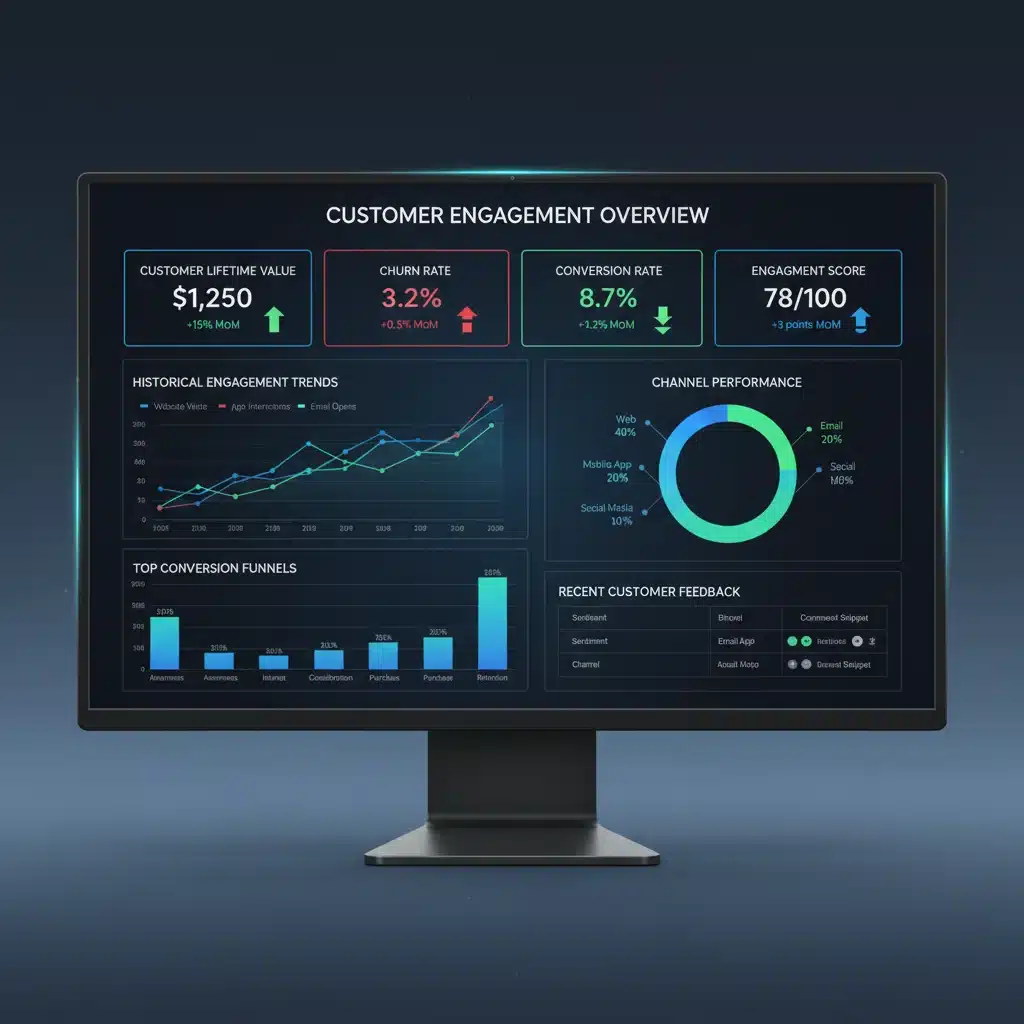
Implementing a sophisticated customer engagement platform is just the first step. To truly realize a strong customer engagement ROI, digital retailers must diligently measure their efforts and continuously optimize their strategies. Here are key metrics and strategies:
Key Metrics for Measuring ROI:
- Customer Lifetime Value (CLTV): The total revenue a business can expect from a single customer account over their relationship. Engaged customers have higher CLTV.
- Customer Acquisition Cost (CAC): The cost associated with convincing a consumer to buy a product or service. Effective engagement can reduce CAC by improving conversion rates.
- Conversion Rates: The percentage of visitors who complete a desired action (e.g., making a purchase, signing up for a newsletter).
- Churn Rate: The rate at which customers stop doing business with a company. Lower churn directly impacts revenue retention.
- Repeat Purchase Rate: The percentage of customers who return to make additional purchases.
- Average Order Value (AOV): The average amount of money a customer spends per transaction. Personalization and recommendations can increase AOV.
- Engagement Metrics: Email open rates, click-through rates, time spent on site, app usage frequency, social media interactions. While not directly financial, these indicate the health of your engagement.
Strategies for Maximizing ROI:
- Start with Clear Goals: Define what success looks like. Is it reducing churn by 10% or increasing repeat purchases by 15%? Specific goals help in platform selection and measurement.
- Leverage Data for Personalization: The more you know about your customers, the better you can tailor experiences. Utilize all available data points to create hyper-segmented campaigns.
- Automate Smartly: Automate repetitive tasks but ensure the automation is still personalized and relevant. Don’t sacrifice quality for quantity.
- Test, Learn, and Iterate: A/B test everything – subject lines, call-to-actions, content, send times. Use the insights to continuously refine your strategy.
- Integrate Across All Channels: Ensure a consistent brand experience across email, SMS, web, and social. A disjointed experience frustrates customers.
- Focus on Customer Feedback: Actively solicit and respond to customer feedback. This not only improves satisfaction but also provides valuable data for optimization.
- Train Your Team: Ensure your marketing and customer service teams are proficient in using the chosen platform to its full potential.
- Regularly Review Performance: Don’t just set it and forget it. Regularly analyze your KPIs and adjust your strategy to ensure you are maximizing your customer engagement ROI.
The Future of Customer Engagement in Digital Retail (2026 and Beyond)
Looking ahead to 2026, the landscape of customer engagement will continue to evolve rapidly. We can expect even greater emphasis on:
- Hyper-Personalization: Moving beyond basic segmentation to truly individualized experiences driven by AI and machine learning.
- Conversational AI: More sophisticated chatbots and virtual assistants providing instant, personalized support and recommendations.
- Predictive Engagement: Platforms will become even better at anticipating customer needs and proactively engaging them before issues arise.
- Privacy-First Engagement: With increasing data privacy regulations, platforms will need to offer robust consent management and transparent data usage.
- Immersive Experiences: Integration with augmented reality (AR) and virtual reality (VR) for more engaging product discovery and interaction.
- Unified Customer Profiles: The ideal state where all customer data, from every touchpoint, resides in a single, accessible profile to power truly seamless experiences.
The platforms discussed – Salesforce Marketing Cloud, Braze, Klaviyo, and Adobe Marketo Engage – are already at the forefront of these trends, continuously innovating to meet the demands of modern digital retail. Their commitment to leveraging data, AI, and automation positions them as strong contenders for delivering superior customer engagement ROI in the coming years.
Conclusion: Choosing the Right Platform for Your Customer Engagement ROI
The decision of which customer engagement platform to adopt is a strategic one, with significant implications for a digital retailer’s growth and profitability. While Salesforce Marketing Cloud and Adobe Marketo Engage offer enterprise-level comprehensiveness suitable for larger, more complex operations, Braze excels in real-time, mobile-first engagement for digital-native brands. Klaviyo, on the other hand, stands out as a powerful, e-commerce-focused solution for driving direct sales through email and SMS.
Ultimately, the ‘best’ platform for maximizing customer engagement ROI in 2026 will depend on a retailer’s specific needs, budget, existing tech stack, and strategic objectives. However, all four market leaders share a common thread: they empower businesses to move beyond generic marketing to cultivate deep, personalized relationships with their customers. By carefully evaluating features, integration capabilities, scalability, and the potential for measurable returns, US digital retailers can make an informed choice that will drive significant value and sustainable growth in the years to come.
Investing in a robust customer engagement platform is not merely an expense; it is an investment in the future of your digital retail business. It’s about building a loyal customer base, optimizing every interaction, and ensuring that every dollar spent on engagement translates into a healthy and measurable return on investment.