Minimising Retail Returns: Strategies for US Digital Retailers
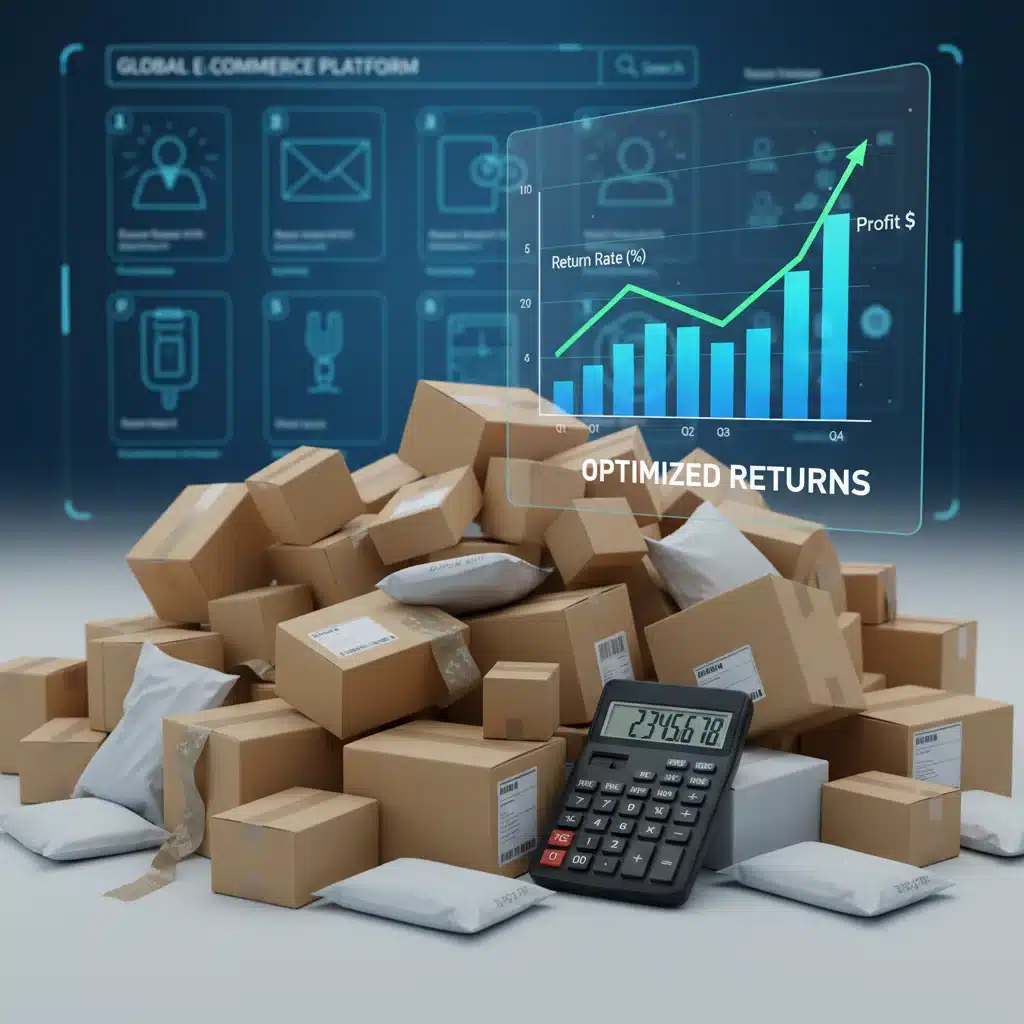
The landscape of US digital retail is continuously evolving, offering unprecedented convenience and choice to consumers. However, this convenience comes with a significant, often underestimated, cost: product returns. For many online retailers, returns are not just an operational headache but a substantial drain on profitability. The hidden costs associated with processing, restocking, reselling, or even disposing of returned merchandise can erode profit margins faster than you can say ‘add to cart’. This article delves deep into the financial impact of returns in US digital retail and, more importantly, provides actionable, data-driven strategies to minimise retail returns by a target of 7%, potentially saving thousands annually by 2026. The goal is to equip retailers with the knowledge and tools to transform their returns process from a cost centre into a strategic advantage.
The Staggering Cost of Retail Returns
In the bustling world of e-commerce, a seemingly innocuous ‘free returns’ policy can mask a multitude of expenses. While such policies are often touted as a customer-centric approach, they contribute significantly to the colossal financial burden faced by retailers. Recent data indicates that the overall return rate for online purchases in the US hovers around 20-30%, a figure that can skyrocket for certain product categories like apparel. This isn’t just about the lost sale; it’s about a complex web of logistical, operational, and environmental costs.
Beyond the Refund: Unpacking the Hidden Expenses
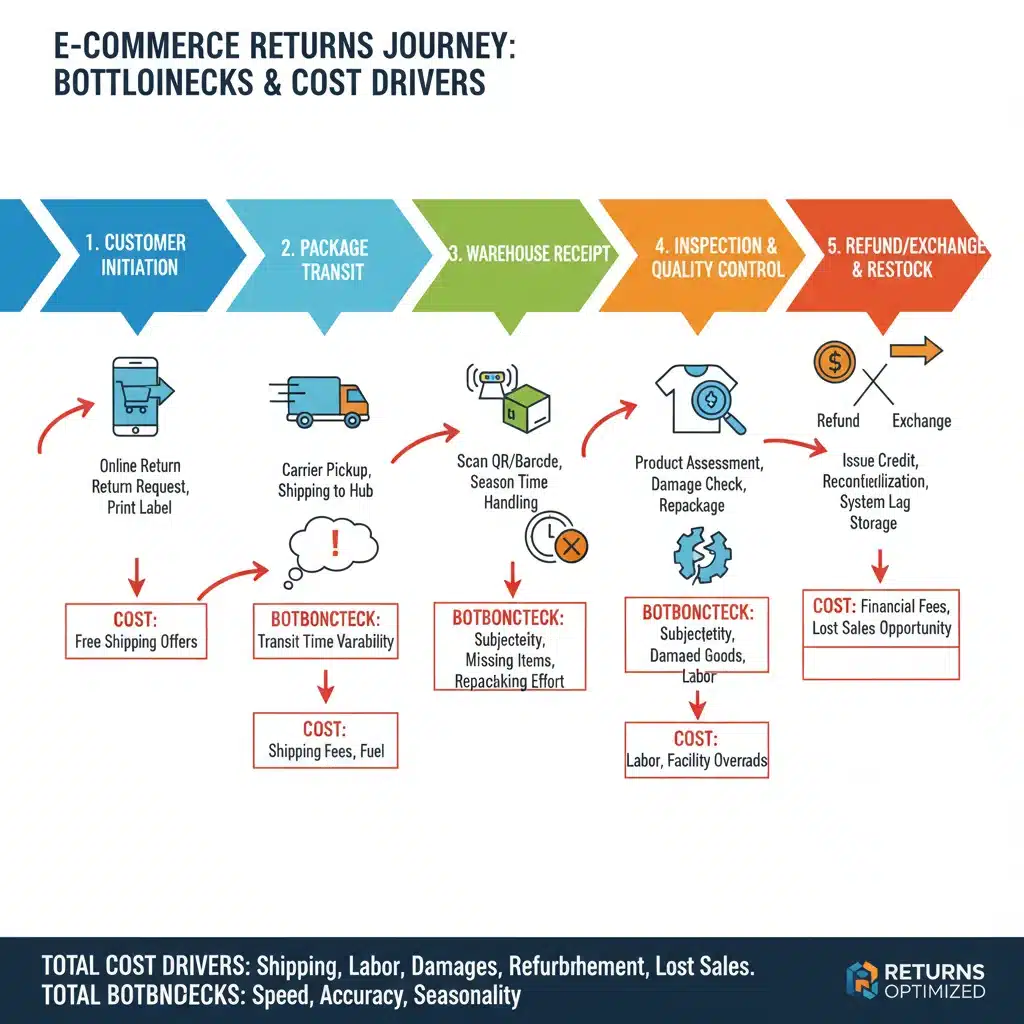
When a customer initiates a return, the journey of that product back to the retailer is anything but simple or cheap. Consider the following hidden costs:
- Shipping and Handling: Even if the customer pays for return shipping, the initial outbound shipping cost is often absorbed by the retailer. For ‘free returns,’ both legs of the journey are on the retailer’s dime.
- Processing and Inspection: Returned items must be received, opened, inspected for damage, and verified against the return reason. This labour-intensive process requires dedicated staff and infrastructure.
- Restocking and Repackaging: If the item is in resalable condition, it needs to be restocked. This might involve repackaging, re-labelling, and updating inventory systems. These tasks add to operational overheads.
- Refurbishment and Repair: Many returned items are not in pristine condition. They may require cleaning, minor repairs, or even extensive refurbishment before they can be resold. This adds specialist labour and material costs.
- Loss of Value and Obsolescence: Products, especially in fast-moving categories like fashion or electronics, can lose significant value while in transit or awaiting processing. By the time they are ready for resale, newer models might be out, or seasonal trends might have shifted, leading to markdowns or even obsolescence.
- Fraudulent Returns: A percentage of returns are fraudulent, involving used, damaged, or even swapped items. Retailers incur losses not only from the product itself but also from the resources spent processing these illegitimate returns.
- Environmental Impact: The increased transportation, packaging waste, and disposal of unsalable items contribute to a larger carbon footprint, which, while not a direct financial cost, is a growing concern for consumers and can impact brand perception.
- Customer Service Overheads: Handling return inquiries, processing refunds, and resolving disputes all require significant customer service resources.
Collectively, these costs can quickly diminish, or even negate, the profit from the original sale. For every $100 in sales, retailers might incur $20-$30 in return-related costs. This makes the imperative to minimise retail returns not just a best practice, but a critical component of financial health.
Understanding the Root Causes of Returns
Before implementing solutions to minimise retail returns, it’s crucial to understand why customers return products in the first place. Returns are rarely arbitrary; they often stem from specific points of friction in the customer journey or discrepancies between expectation and reality. By identifying these root causes, retailers can develop targeted strategies.
Common Reasons for Returns in Digital Retail:
- Product Not as Described/Different from Image: This is a prevalent issue, especially for apparel and home goods. Inaccurate product descriptions, misleading images, or poor colour representation can lead to customer disappointment.
- Wrong Size/Fit: A perennial challenge in fashion e-commerce. Standard sizing varies wildly between brands, and customers often order multiple sizes with the intent to return those that don’t fit.
- Damaged or Defective Item: Products arriving damaged during transit or being inherently defective are direct failures in quality control or packaging.
- Customer Changed Mind/No Longer Needed: Sometimes, the purchase was impulsive, or the need for the item simply disappeared. This category is harder to prevent but can be influenced by post-purchase engagement.
- Received Wrong Item: An operational error in the warehouse or during fulfilment leads to the customer receiving a product they didn’t order.
- Poor Quality: The product might meet the description but fail to meet the customer’s quality expectations.
- Late Delivery: If an item arrives after it’s needed, the customer may return it, even if the product itself is satisfactory.
Analysing return data to pinpoint the most frequent reasons is the first step towards developing effective prevention strategies. Retailers should invest in robust analytics to categorise returns and identify patterns.
Actionable Strategies to Minimise Retail Returns by 7%
Achieving a 7% reduction in return rates by 2026 is an ambitious yet attainable goal. It requires a multi-faceted approach, addressing various touchpoints in the customer journey. Here are comprehensive strategies categorised for clarity:
1. Enhance Product Information and Visuals
The single most effective way to minimise retail returns is to ensure customers know exactly what they are buying. Bridging the gap between online presentation and physical reality is paramount.
- High-Quality Product Images and Videos: Provide multiple high-resolution images from various angles, including close-ups of textures and details. Incorporate 360-degree views and product videos that showcase the item in use or worn by models of different body types.
- Detailed and Accurate Product Descriptions: Go beyond basic specifications. Include precise measurements, material composition, care instructions, and specific use cases. For clothing, specify fit (e.g., ‘slim fit’, ‘relaxed fit’) and fabric stretch.
- Customer Reviews and Q&A: Encourage customers to leave detailed reviews, especially regarding sizing and fit. Implement a robust Q&A section where potential buyers can ask specific questions and get answers from both the retailer and other customers. This crowdsourced information can be incredibly valuable.
- Augmented Reality (AR) and Virtual Try-On: For specific categories like furniture, apparel, or cosmetics, AR tools allow customers to virtually place items in their homes or try on clothes/makeup, significantly improving purchase confidence.
- Size Guides and Fit Predictors: Instead of generic size charts, offer brand-specific size guides. Implement AI-powered fit prediction tools that recommend sizes based on a customer’s past purchases, body measurements, or comparison to similar items.
2. Optimise Fulfilment and Logistics
Errors in the warehouse or during shipping are entirely preventable and directly lead to returns. Streamlining these processes can significantly minimise retail returns.
- Improve Inventory Accuracy: Ensure your inventory management system is robust and up-to-date to prevent overselling or shipping the wrong item due to incorrect stock levels.
- Rigorous Quality Control: Implement stricter quality checks before items are packed. This includes visual inspection for damage, verification of product against order, and ensuring all components are present.
- Enhanced Packaging: Use appropriate packaging that protects the product during transit. Invest in durable materials and consider custom packaging for fragile items to prevent damage.
- Accurate Order Fulfilment: Utilise barcode scanning and automated systems to minimise human error in picking and packing. Double-check orders before dispatch.
- Reliable Shipping Partners: Partner with reputable shipping carriers known for their reliability and careful handling of packages. Provide clear tracking information to customers.
- Expedited Shipping Options: Offer faster shipping options, especially for time-sensitive purchases, to reduce returns due to late delivery.
3. Proactive Customer Communication and Engagement
Keeping customers informed and engaged throughout the post-purchase journey can build trust and reduce anxiety, thereby helping to minimise retail returns.
- Order Confirmation and Tracking: Send immediate order confirmations with clear details. Provide real-time tracking updates and estimated delivery dates.
- Post-Purchase Engagement: Send follow-up emails with product care tips, usage instructions, or styling advice. This can enhance product satisfaction and reduce perceived issues.
- Clear Return Policy: While aiming to minimise retail returns, a clear, fair, and easily accessible return policy is crucial. Transparency builds trust. Highlight any exceptions or specific conditions upfront.
- Personalised Recommendations: Leverage AI to offer personalised product recommendations based on browsing history and purchase patterns. This can lead to more satisfied purchases and fewer ‘changed mind’ returns.
4. Data-Driven Analysis and Continuous Improvement
To effectively minimise retail returns, a continuous cycle of data collection, analysis, and strategic adjustment is essential.
- Return Reason Analysis: Regularly analyse return data to identify the most common reasons. Are customers returning items due to sizing issues, quality concerns, or inaccurate descriptions? This data will guide your improvement efforts.
- Product-Specific Return Rates: Identify products or categories with unusually high return rates. These ‘problem children’ require immediate attention. It might indicate a flaw in the product itself, its description, or its marketing.
- Customer Segmentation: Are certain customer segments more prone to returns? Is there a correlation between return rates and first-time buyers versus loyal customers? Understanding these patterns can inform targeted interventions.
- A/B Testing: Experiment with different product page layouts, image formats, size guides, and descriptions. A/B test changes and measure their impact on return rates.
- Feedback Loops: Create internal feedback loops between customer service, product development, marketing, and fulfilment teams. Insights from customer service regarding return reasons should directly inform product improvements or content updates.
5. Strategic Return Policy Adjustments
While ‘free returns’ are popular, there’s a growing trend towards more nuanced return policies that can help minimise retail returns without alienating customers.
- Return Windows: Consider adjusting return windows. A slightly shorter window might encourage customers to make quicker decisions, reducing the chance of items becoming obsolete.
- Return Fees for Certain Scenarios: While potentially controversial, some retailers are experimenting with return shipping fees for ‘changed mind’ returns or for customers with excessively high return rates. This encourages more thoughtful purchases.
- In-Store Returns for Online Purchases: For retailers with a brick-and-mortar presence, offering in-store returns can be more cost-effective than shipping, and it provides an opportunity for upselling or exchange.
- Refund vs. Store Credit: For certain types of returns or loyal customers, offering store credit instead of a full refund can retain revenue within your ecosystem.
- Sustainable Return Options: Promote options like donating unsalable items to charity or recycling, which can mitigate disposal costs and enhance brand image.

Case Studies and Success Stories
Many retailers have successfully implemented strategies to minimise retail returns, demonstrating the tangible benefits of a proactive approach. For instance, a major apparel retailer reduced its return rate by 5% within a year by investing heavily in virtual try-on technology and detailed video descriptions, resulting in millions of dollars saved in processing and restocking fees. Another electronics retailer saw a 3% drop in returns after revamping its product packaging and implementing a more rigorous pre-shipment quality check, which drastically reduced ‘damaged in transit’ claims.
These examples underscore that targeted interventions, backed by data, can yield significant results. The key is to view returns not as an inevitable cost of doing business online, but as a solvable problem that, when addressed, can unlock substantial financial gains.
Measuring Success and Future Outlook
To achieve the ambitious goal of reducing return rates by 7% by 2026, continuous monitoring and evaluation are essential. Key performance indicators (KPIs) to track include:
- Overall Return Rate: The percentage of items returned against total sales.
- Return Rate by Product Category: Identifying problem categories.
- Return Rate by Reason: Understanding the ‘why’ behind returns.
- Cost per Return: A comprehensive metric including all hidden costs.
- Customer Lifetime Value (CLV) of Returners vs. Non-Returners: Understanding the long-term impact on customer value.
The future of retail returns will likely see further innovation. Expect wider adoption of AI and machine learning for predictive analytics, identifying customers likely to return items before they even ship. Personalisation will become even more sophisticated, offering hyper-accurate product recommendations and fit guidance. Furthermore, sustainable return practices will gain more traction, with retailers exploring local consolidation centres and circular economy models to minimise waste.
Conclusion: A Strategic Imperative to Minimise Retail Returns
The financial impact of returns in US digital retail is undeniable and growing. It’s a complex challenge that demands a strategic, data-driven response. By focusing on enhancing product information, optimising fulfilment, fostering proactive customer communication, leveraging data analytics, and making strategic adjustments to return policies, retailers can effectively minimise retail returns. The target of a 7% reduction in return rates by 2026 is not just a pipe dream; it’s a tangible, achievable goal that can translate into thousands, if not millions, of dollars in annual savings and significantly boost overall profitability. Embracing these strategies isn’t just about cutting costs; it’s about building a more efficient, customer-centric, and ultimately, more profitable digital retail operation.