Predictive Analytics for Inventory Management: A US Retail Success Story
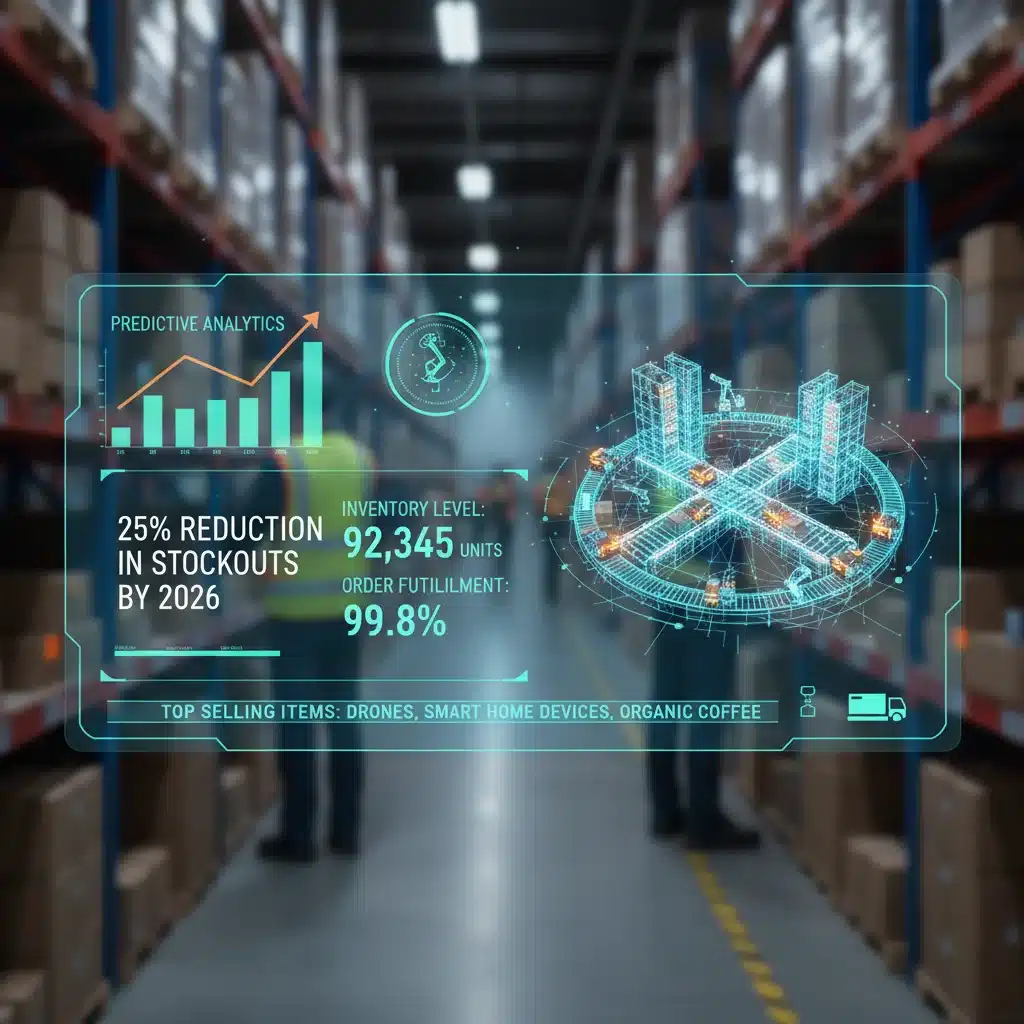
The Future is Now: Leveraging Predictive Analytics for Inventory Management in US Digital Retail
In the fiercely competitive landscape of US digital retail, where customer expectations are higher than ever and supply chains are increasingly complex, the ability to accurately forecast demand and manage inventory efficiently is no longer a luxury – it’s a necessity. Traditional inventory management methods, often reliant on historical data and manual adjustments, are proving insufficient in a world characterized by rapid change and unforeseen disruptions. This is where predictive inventory management steps in, offering a revolutionary approach that harnesses the power of advanced analytics to anticipate future needs with unprecedented accuracy.
This article delves deep into the transformative impact of predictive inventory management within the US digital retail sector. We’ll explore the methodologies, benefits, and challenges, culminating in a compelling case study that showcases how a leading digital retailer is on track to achieve a remarkable 25% reduction in stockouts by 2026 through the strategic implementation of predictive analytics. Prepare to uncover insider knowledge that can redefine your approach to supply chain optimization and customer satisfaction.
The Paradigm Shift: From Reactive to Predictive Inventory Management
For decades, inventory management was largely a reactive discipline. Businesses would track past sales, identify trends, and then adjust stock levels accordingly. While this approach served its purpose in simpler times, the advent of e-commerce, global supply chains, and increasingly volatile consumer behavior has rendered it obsolete. The digital retail environment demands agility, foresight, and a nuanced understanding of countless variables that influence demand and supply.
Predictive inventory management represents a fundamental paradigm shift. Instead of merely reacting to what has already happened, it leverages sophisticated algorithms, machine learning, and vast datasets to predict what will happen. This proactive stance allows retailers to optimize stock levels, minimize holding costs, prevent stockouts, and enhance customer satisfaction – all critical factors for success in the digital age.
Understanding the Core Components of Predictive Inventory Management
At its heart, predictive inventory management is an intricate dance of data, algorithms, and strategic decision-making. Key components include:
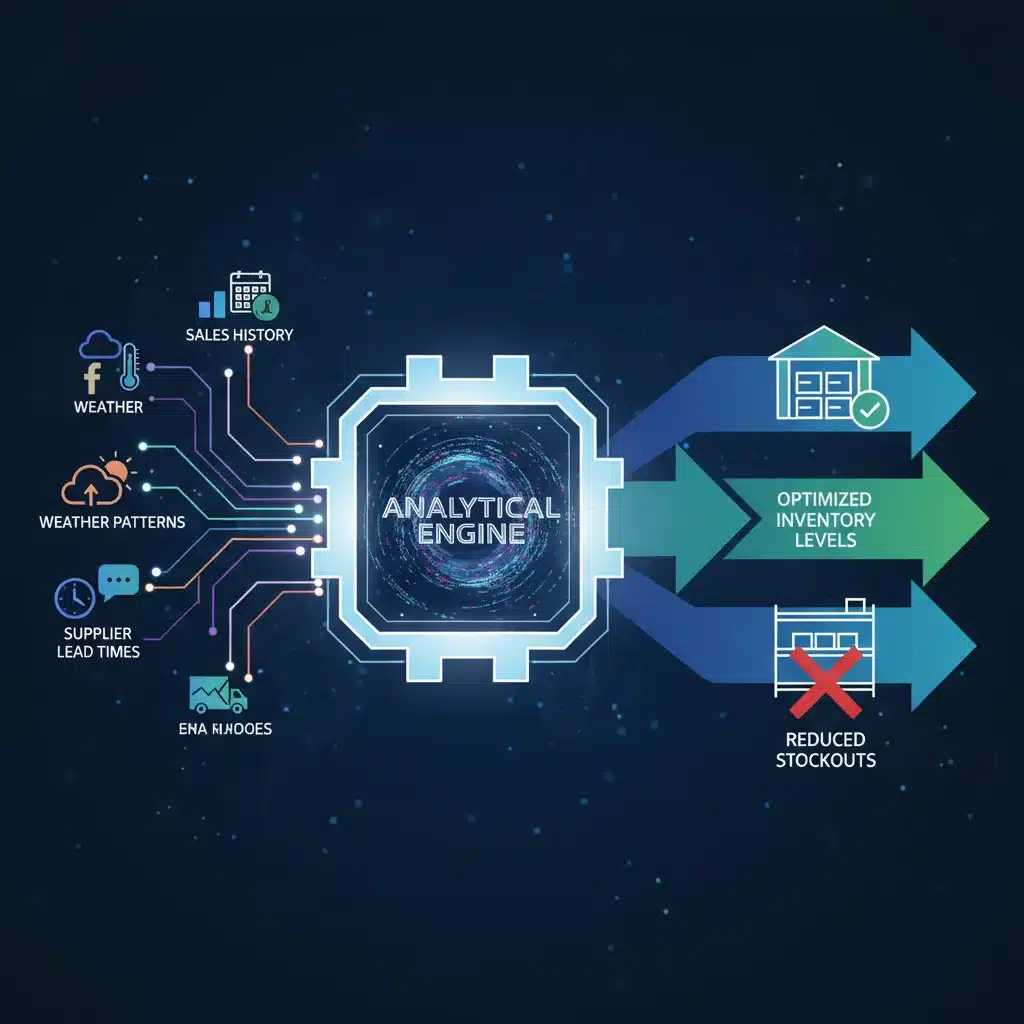
- Data Collection and Integration: This is the foundation. It involves gathering vast amounts of data from diverse sources, including historical sales figures, website traffic, promotional calendars, social media sentiment, competitor pricing, economic indicators, weather forecasts, supplier lead times, and even global events. The ability to integrate these disparate data points into a unified system is crucial.
- Advanced Analytics and Machine Learning: Once the data is collected, machine learning models (such as neural networks, regression models, and time-series forecasting) are employed to identify complex patterns and relationships that would be impossible for humans to discern. These models learn from past data to make accurate predictions about future demand.
- Forecasting Algorithms: These algorithms process the analyzed data to generate demand forecasts. Unlike traditional forecasting methods, predictive algorithms can account for seasonality, trends, promotional impacts, and even unexpected external factors with greater precision.
- Optimization Engines: Beyond just forecasting demand, these engines translate predictions into actionable inventory recommendations. They consider factors like storage costs, order costs, potential stockout costs, lead times, and supplier constraints to determine optimal reorder points and quantities.
- Real-time Monitoring and Adjustment: The process isn’t static. Predictive inventory management systems continuously monitor actual sales against forecasts, identifying deviations and automatically adjusting predictions and recommendations in real-time. This dynamic capability is vital in fast-paced digital retail.
- Scenario Planning: Advanced systems allow retailers to model different scenarios – for instance, the impact of a major promotional event or a sudden supply chain disruption – to understand potential outcomes and prepare contingency plans.
The Unprecedented Benefits for US Digital Retailers
The adoption of predictive inventory management offers a multitude of benefits that directly impact a digital retailer’s bottom line and competitive standing:
Significant Reduction in Stockouts and Overstocking
One of the most immediate and impactful benefits is the dramatic reduction in both stockouts and overstocking. Stockouts lead to lost sales, frustrated customers, and damage to brand reputation. Overstocking, on the other hand, ties up capital, incurs storage costs, increases the risk of obsolescence, and often leads to markdowns that erode profit margins. Predictive analytics strikes a delicate balance, ensuring that the right products are available at the right time and in the right quantities.
Enhanced Customer Satisfaction and Loyalty
When customers can consistently find the products they want, when they want them, their satisfaction levels soar. This translates into repeat purchases, positive reviews, and increased customer loyalty – invaluable assets in the digital retail space. A seamless shopping experience, free from the disappointment of ‘out of stock’ messages, is a powerful differentiator.
Optimized Working Capital and Cash Flow
By minimizing overstocking, businesses can free up significant amounts of working capital that would otherwise be tied up in unsold inventory. This capital can then be reinvested into growth initiatives, marketing, or product development, leading to healthier cash flow and greater financial flexibility.
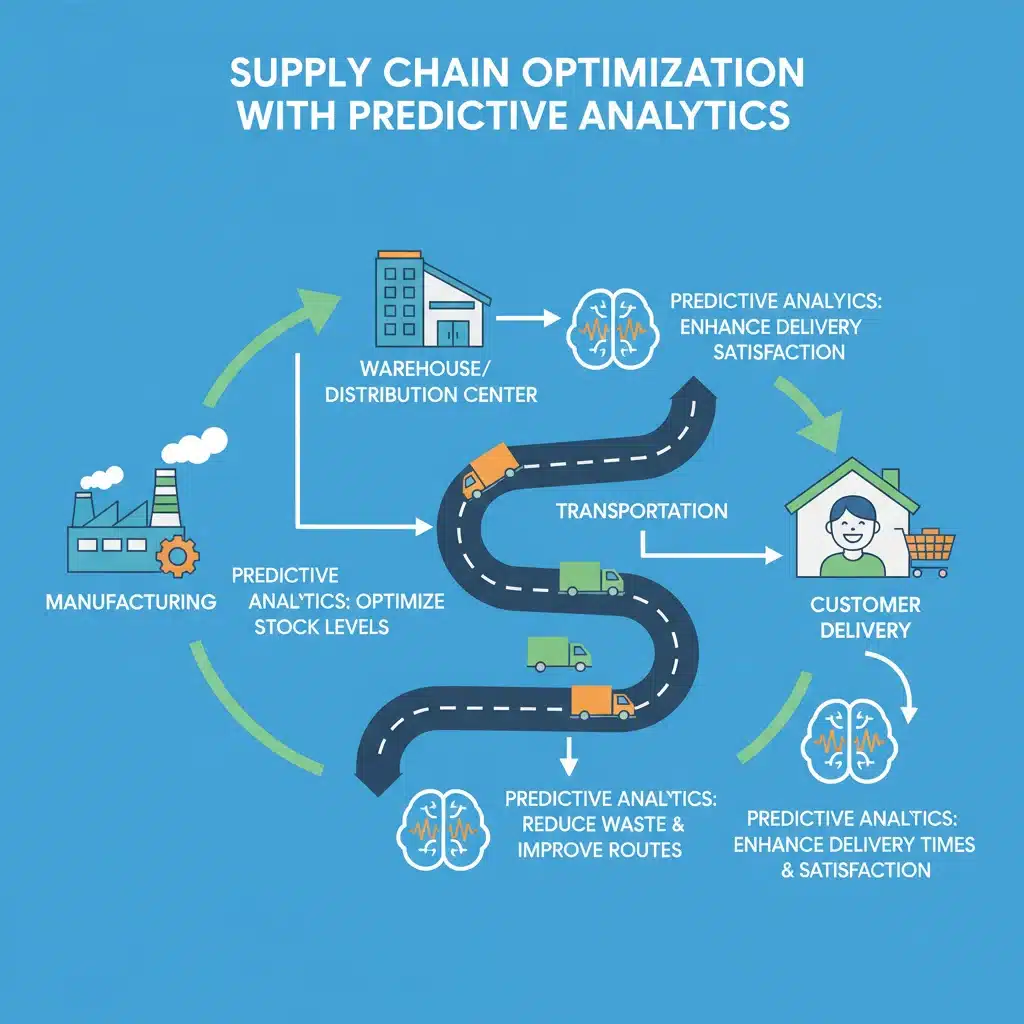
Improved Supply Chain Efficiency and Resilience
Predictive inventory management provides greater visibility across the entire supply chain. By anticipating demand fluctuations and potential supply disruptions, retailers can work more effectively with suppliers, negotiate better terms, and build a more resilient supply chain that can withstand unexpected challenges. This proactive approach reduces the need for costly expedited shipping and last-minute adjustments.
Data-Driven Decision Making
Gone are the days of gut-feeling decisions. Predictive analytics provides concrete, data-driven insights that empower inventory managers and executives to make more informed strategic choices. This leads to more efficient resource allocation, better product assortment planning, and ultimately, higher profitability.
Case Study: A US Digital Retailer’s Journey to 25% Stockout Reduction by 2026
To illustrate the tangible impact of predictive inventory management, let’s examine a compelling case study. A prominent US-based digital retailer, specializing in consumer electronics and home goods, faced significant challenges with inventory optimization. Despite robust sales, they frequently grappled with high stockout rates for popular items, leading to customer churn, and simultaneously struggled with excess inventory for slower-moving products, resulting in significant carrying costs.
The Challenge: Inefficient Demand Forecasting and Inventory Bloat
The retailer’s existing inventory system relied heavily on historical sales data and manual adjustments by merchandising teams. This reactive approach struggled to account for:
- Rapidly changing consumer trends: New product launches and viral trends often led to unexpected spikes in demand that weren’t captured by historical averages.
- Promotional impacts: The effect of various marketing campaigns and discounts on demand was difficult to quantify accurately.
- Supplier variability: Inconsistent lead times from international suppliers caused unpredictable delays and further complicated planning.
- Seasonality and micro-seasonality: While major seasonal trends were accounted for, smaller, localized or product-specific seasonal patterns were often missed.
These issues resulted in an average stockout rate of 12-15% for top-selling items and inventory holding costs that were significantly impacting profitability.
The Solution: Implementing a Comprehensive Predictive Analytics Platform
Recognizing the limitations of their existing system, the retailer embarked on a strategic initiative to implement a comprehensive predictive inventory management platform. The project involved several key phases:
- Data Infrastructure Overhaul: The first step was to build a robust data infrastructure capable of collecting, cleaning, and integrating data from a myriad of sources. This included sales data, website analytics, supply chain data (supplier lead times, order statuses), marketing campaign performance, external market data (e.g., consumer confidence indices), and even social media listening tools to gauge product sentiment.
- Machine Learning Model Development: A team of data scientists developed and trained various machine learning models. These models were designed to predict demand at a granular level (SKU, location, time) by analyzing the integrated data. They incorporated factors like price elasticity, competitor activity, weather patterns (for certain product categories), and the impact of specific promotional events.
- Dynamic Reorder Point and Quantity Optimization: The platform didn’t just forecast; it also provided dynamic recommendations for optimal reorder points and quantities. These recommendations were continuously updated based on real-time sales data and changing market conditions, taking into account lead times and minimum order quantities from suppliers.
- Scenario Planning and Simulation Tools: The retailer gained the ability to run ‘what-if’ scenarios. For example, they could simulate the impact of a 20% discount on a specific product line or the effect of a 1-week delay from a key supplier, allowing them to proactively plan and mitigate risks.
- Integration with ERP and WMS: The predictive analytics platform was seamlessly integrated with their existing Enterprise Resource Planning (ERP) and Warehouse Management System (WMS) to automate order generation and inventory adjustments, minimizing manual intervention and errors.
The Results: A Path to 25% Stockout Reduction by 2026
The implementation of the predictive inventory management solution yielded impressive results, setting the retailer on a clear path to achieving its ambitious goal:
- Initial Stockout Reduction: Within the first 12 months, the average stockout rate for top-selling items decreased by 10%. This immediate impact demonstrated the power of more accurate forecasting.
- Improved Inventory Turnover: The retailer saw a noticeable improvement in inventory turnover rates, indicating that products were selling faster and capital was being utilized more efficiently.
- Reduced Holding Costs: By optimizing stock levels and minimizing overstock, holding costs were significantly reduced, contributing directly to increased profit margins.
- Enhanced Forecasting Accuracy: The accuracy of demand forecasts improved by an average of 18% across various product categories, allowing for more precise procurement and distribution.
- Projected 25% Stockout Reduction by 2026: Based on current trends, continuous model refinement, and ongoing optimization efforts, the retailer is confidently projecting a 25% reduction in overall stockouts by the end of 2026. This is expected to translate into millions of dollars in recovered sales and increased customer lifetime value.
- Increased Customer Satisfaction Scores: Post-implementation surveys indicated a measurable increase in customer satisfaction related to product availability and order fulfillment.
This case study underscores that with the right technology, data strategy, and commitment, significant improvements in inventory performance are not just possible but highly achievable.
Challenges and Considerations in Implementing Predictive Inventory Management
While the benefits are clear, implementing predictive inventory management is not without its challenges. Digital retailers must be prepared to address several key considerations:
Data Quality and Availability
The adage “garbage in, garbage out” holds true. High-quality, clean, and consistent data is paramount. Many organizations struggle with fragmented data sources, data silos, and inconsistent data formats, which can hinder the effectiveness of predictive models. Investing in data governance and data integration tools is crucial.
Technological Infrastructure and Expertise
Implementing predictive analytics requires a robust technological infrastructure, including cloud computing capabilities, data warehousing solutions, and advanced analytical platforms. Furthermore, businesses need access to skilled data scientists, machine learning engineers, and inventory specialists who can develop, deploy, and manage these complex systems.
Integration with Existing Systems
Seamless integration with existing ERP, WMS, CRM, and e-commerce platforms is vital to ensure data flow and operational efficiency. Poor integration can lead to data discrepancies and undermine the value of the predictive insights.
Change Management and Adoption
Introducing new technologies and processes often encounters resistance from employees accustomed to traditional methods. Effective change management strategies, including comprehensive training and communication, are essential to ensure successful adoption and leverage the full potential of the new system.
Cost of Implementation
The initial investment in predictive analytics software, infrastructure, and talent can be substantial. However, the long-term ROI, driven by reduced costs and increased sales, typically far outweighs these initial expenditures.
Best Practices for Successful Predictive Inventory Management
To maximize the chances of success, US digital retailers should adhere to several best practices:
- Start Small, Scale Big: Begin with a pilot project in a specific product category or region to demonstrate value and refine the approach before a full-scale rollout.
- Focus on Data Governance: Prioritize data quality, consistency, and accessibility. Implement strong data governance policies from the outset.
- Invest in Talent: Build or acquire a team with expertise in data science, machine learning, and supply chain management. Continuous learning and upskilling are also important.
- Foster Collaboration: Encourage collaboration between IT, data science, merchandising, marketing, and supply chain teams to ensure a holistic approach.
- Continuously Monitor and Refine Models: Predictive models are not static. They need continuous monitoring, evaluation, and refinement to maintain accuracy as market conditions and consumer behaviors evolve.
- Embrace a Culture of Experimentation: The field of predictive analytics is constantly evolving. Be open to experimenting with new algorithms, data sources, and methodologies to find what works best for your specific business context.
- Prioritize Security and Privacy: With vast amounts of data being processed, ensure robust data security and privacy measures are in place, complying with all relevant regulations.
The Future of Predictive Inventory Management in Digital Retail
The journey of predictive inventory management is far from over. The future promises even more sophisticated capabilities:
- Hyper-Personalized Forecasting: Moving beyond general trends to predict demand based on individual customer preferences and purchasing histories.
- Integration with IoT and Edge Computing: Leveraging real-time data from smart shelves, warehouse robots, and delivery vehicles to provide even more immediate and granular insights.
- Prescriptive Analytics: Beyond predicting what will happen, prescriptive analytics will recommend the best course of action to achieve specific business outcomes, such as maximizing profit or minimizing waste.
- Blockchain for Supply Chain Transparency: Enhanced transparency and traceability throughout the supply chain will provide more reliable data for predictive models, reducing uncertainties.
- AI-Powered Autonomous Inventory Management: The ultimate goal for some is fully autonomous systems that can make inventory decisions and even place orders without human intervention, based on continuously learning AI.
Conclusion: A Strategic Imperative for US Digital Retailers
In conclusion, predictive inventory management is rapidly transitioning from an innovative concept to a strategic imperative for US digital retailers. The ability to accurately forecast demand, optimize stock levels, and proactively manage supply chain complexities offers a profound competitive advantage. As demonstrated by our case study, achieving a significant reduction in stockouts, like the targeted 25% by 2026, is not merely aspirational but a tangible outcome of a well-executed predictive analytics strategy.
Digital retailers that embrace this technology will not only streamline their operations and boost profitability but also solidify customer loyalty in an increasingly demanding market. The time to invest in predictive analytics is now, paving the way for a more efficient, resilient, and customer-centric future in digital retail.