AI-Powered Customer Support Bots: Reducing Response Times by 75% for US E-commerce Operations in 2026
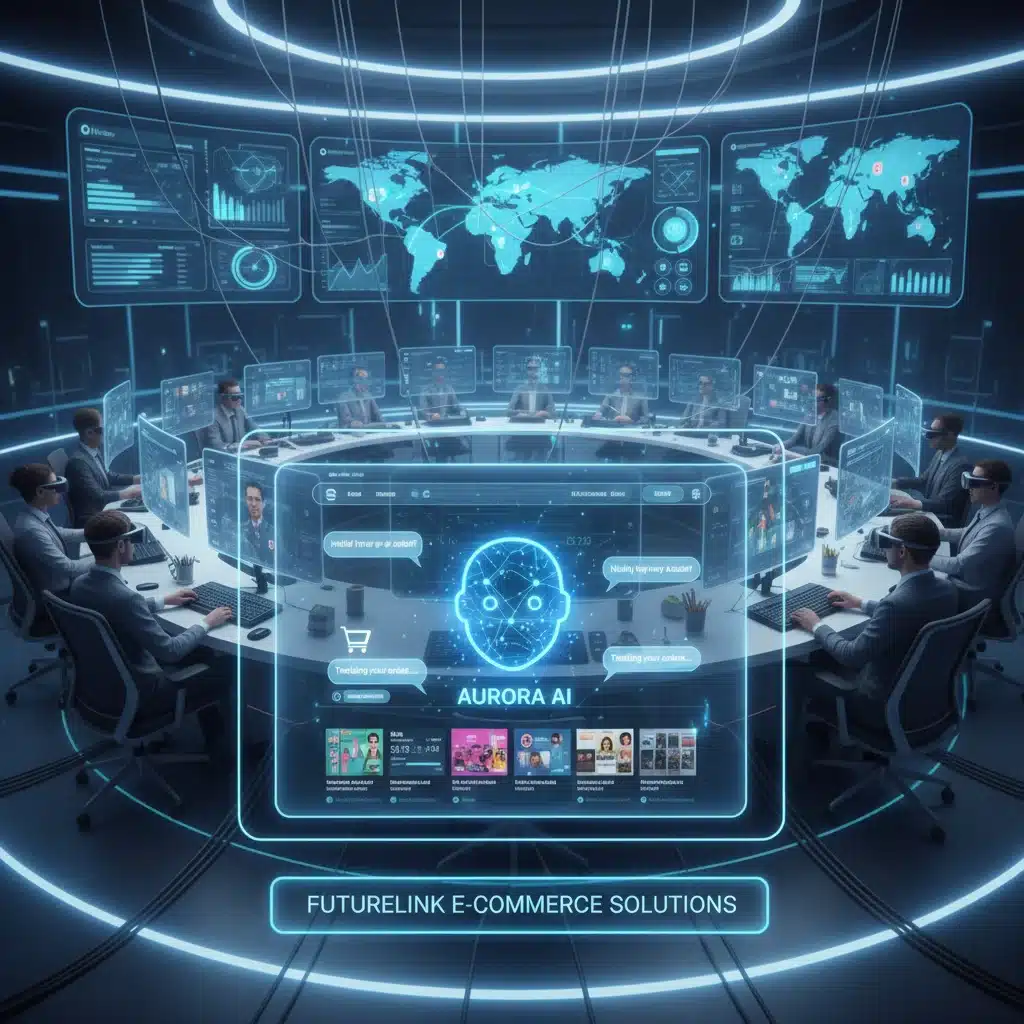
AI-Powered Customer Support Bots: Reducing Response Times by 75% for US E-commerce Operations in 2026
The landscape of customer service is undergoing a profound transformation, driven by the relentless march of artificial intelligence. For US e-commerce operations, the integration of AI customer support bots is not just a trend; it’s a strategic imperative poised to redefine efficiency and customer satisfaction. By 2026, industry experts and technological forecasts predict a staggering 75% reduction in customer response times, a monumental shift that promises to reshape consumer expectations and competitive dynamics. This comprehensive exploration delves into the mechanics, benefits, implementation strategies, and future implications of AI-powered customer support within the thriving US e-commerce sector.
The digital marketplace is characterized by its immediacy. Customers expect instant gratification, and when it comes to support, patience is a dwindling commodity. Traditional customer service models, often reliant on human agents handling queries serially, struggle to keep pace with the sheer volume and velocity of modern e-commerce interactions. This is where AI customer support bots emerge as a game-changer, offering scalability, consistency, and unparalleled speed.
The Urgency for Faster Response Times in E-commerce
In the highly competitive US e-commerce market, customer experience is the ultimate differentiator. A recent study indicated that 80% of consumers expect an immediate response (within minutes) to their customer service questions. Failure to meet this expectation often leads to cart abandonment, negative reviews, and ultimately, lost revenue. The current average response time for many e-commerce businesses can range from several minutes to several hours, a significant gap between customer expectation and operational reality. This disparity underscores the critical need for solutions that can bridge the gap, and AI is proving to be the most potent tool in this endeavor.
Consider the typical customer journey: a potential buyer might have a pre-purchase question about a product, a current customer might need help with an order status, or a return inquiry might arise. Each of these interactions, if not handled swiftly and accurately, can escalate into frustration. The aim for a 75% reduction in response times by 2026 is not merely an ambitious target; it’s a reflection of the evolving demands of the digital consumer and the technological capabilities now at our disposal through advanced AI customer support systems.
Understanding AI-Powered Customer Support Bots
At its core, an AI customer support bot is a software application designed to simulate human conversation through text or voice interactions. These bots leverage advanced technologies such as Natural Language Processing (NLP), machine learning (ML), and sometimes deep learning, to understand, interpret, and respond to customer queries. Unlike traditional rule-based chatbots, AI-powered bots can learn from interactions, adapt to new information, and provide more nuanced and contextually relevant responses over time.
Key Technologies Driving AI Bots:
- Natural Language Processing (NLP): This allows bots to understand the intent and sentiment behind customer queries, regardless of how they are phrased. NLP is crucial for moving beyond keyword matching to genuine comprehension.
- Machine Learning (ML): ML algorithms enable bots to learn from vast datasets of customer interactions, improving their accuracy and effectiveness with each new conversation. This continuous learning is what makes AI bots truly intelligent.
- Generative AI: Newer generations of bots are incorporating generative AI, allowing them to create more human-like, coherent, and creative responses, moving beyond pre-scripted replies.
- Integration Capabilities: Modern AI bots seamlessly integrate with existing CRM systems, order management platforms, and knowledge bases, providing a holistic view of the customer and their history.
The sophistication of these technologies means that AI bots are no longer confined to simple FAQs. They can handle complex inquiries, guide customers through troubleshooting steps, process returns, update order information, and even offer personalized product recommendations, all with minimal human intervention.
The Path to 75% Response Time Reduction
Achieving a 75% reduction in response times for US e-commerce operations by 2026 is an ambitious but attainable goal, predicated on several strategic deployments of AI customer support. This reduction isn’t solely about speed; it’s about optimizing every touchpoint in the customer service journey.
Immediate Triage and Resolution:
AI bots excel at immediately identifying the nature of a customer’s query. Simple, repetitive questions (e.g., ‘What’s my order status?’, ‘How do I reset my password?’) can be resolved instantly without human involvement. This accounts for a significant percentage of inbound customer service requests, freeing up human agents for more complex issues.
24/7 Availability:
E-commerce operates globally and around the clock. Human customer service, constrained by working hours and time zones, cannot match this demand. AI bots provide continuous, uninterrupted support, ensuring that customers receive answers whenever they need them, drastically reducing wait times that would otherwise accumulate during off-hours.
Automated Information Retrieval:
By integrating with an e-commerce platform’s backend systems, AI customer support bots can instantly access and relay specific customer information, such as order details, shipping updates, or product specifications, eliminating the need for agents to manually search databases.
Intelligent Routing:
When a query is too complex for a bot, AI can intelligently route the customer to the most appropriate human agent, equipped with the full context of the previous bot interaction. This warm handover saves time by eliminating the need for customers to repeat themselves and ensures they reach the right expert immediately.
Proactive Engagement:
Beyond reactive support, AI can be used proactively. For example, a bot might reach out to a customer whose package is delayed with an automatic update, or offer assistance if a customer appears to be struggling on a product page, preventing potential issues before they become explicit queries.
These combined capabilities demonstrate how AI doesn’t just speed up individual interactions but fundamentally re-architects the entire support ecosystem for efficiency. The 75% reduction isn’t a singular magic bullet; it’s the cumulative effect of these synergistic AI applications.
Benefits Beyond Speed: Enhancing Customer Experience
While reduced response times are a primary driver, the advantages of implementing AI customer support in US e-commerce extend far beyond mere speed. These benefits collectively contribute to a superior customer experience, fostering loyalty and driving repeat business.
Consistency and Accuracy:
Human agents, despite their best efforts, can vary in their responses due to fatigue, individual interpretation, or lack of complete information. AI bots, on the other hand, provide consistent, accurate information every single time, drawing from a centralized knowledge base. This consistency builds trust and reduces confusion.
Personalization at Scale:
Advanced AI can leverage customer data (purchase history, browsing behavior, preferences) to offer highly personalized interactions. This could range from product recommendations during a chat to tailored support based on previous issues, making customers feel understood and valued.
Reduced Operational Costs:
Automating a significant portion of customer queries allows e-commerce businesses to reduce staffing needs for basic support tasks, or reallocate human agents to more complex, value-added roles. This leads to substantial cost savings in the long run, contributing to a healthier bottom line.
Improved Agent Productivity and Morale:
By offloading repetitive and mundane tasks to AI bots, human agents are freed up to focus on interactions that require empathy, complex problem-solving, and human nuance. This not only makes their work more engaging but also allows them to handle a higher volume of intricate cases, improving overall team productivity and morale.
Scalability to Meet Demand:
E-commerce businesses often experience significant fluctuations in customer query volume, especially during peak seasons like Black Friday or holiday sales. AI bots can instantly scale to handle any volume of inquiries without additional hiring or training, ensuring consistent service quality even during surges.
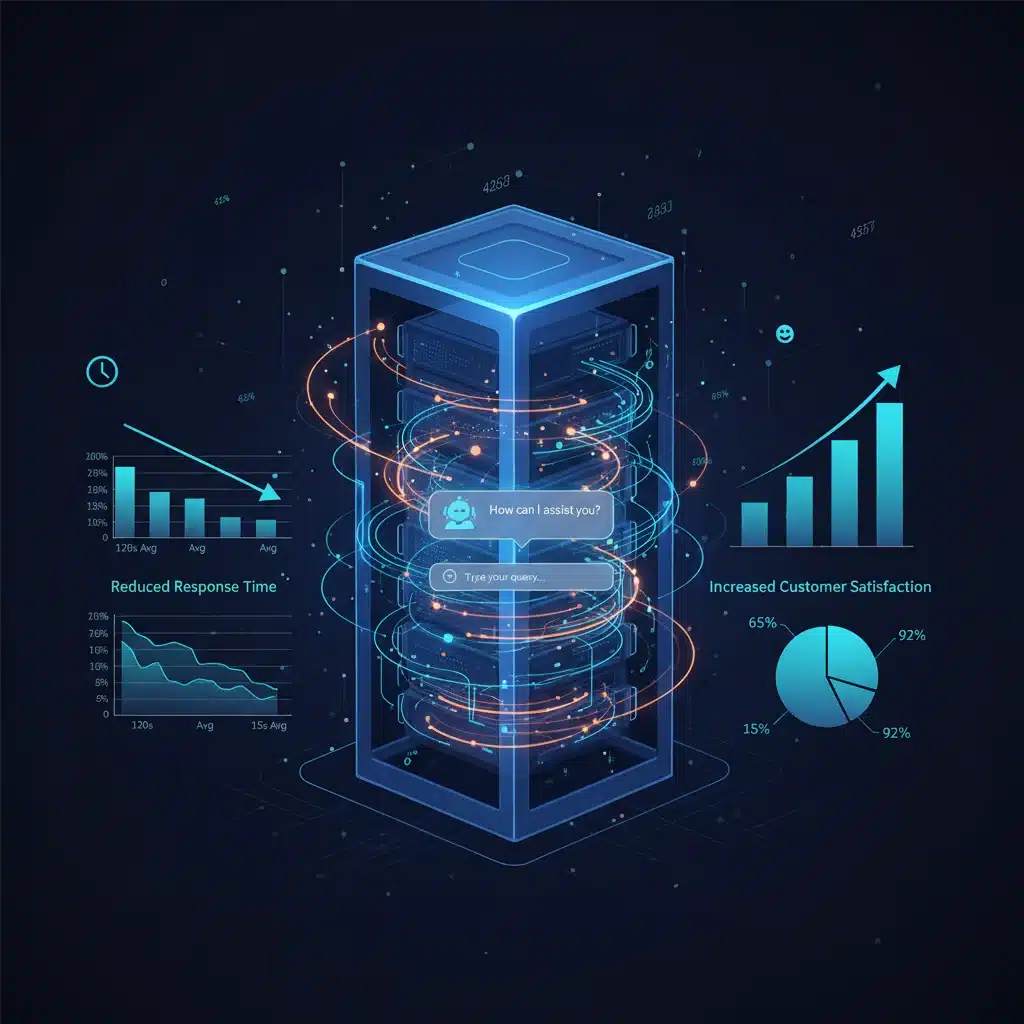
These multifaceted benefits solidify the case for widespread AI customer support adoption. The synergy between rapid response and enhanced experience creates a virtuous cycle, where satisfied customers are more likely to return and advocate for the brand.
Implementation Strategies for US E-commerce
Successfully integrating AI customer support into US e-commerce operations requires a thoughtful, phased approach. It’s not simply about deploying a bot; it’s about strategically aligning AI capabilities with business objectives and customer needs.
1. Define Clear Objectives:
Before implementation, clearly define what you aim to achieve. Is it solely about reducing response times, or are there other goals like improving customer satisfaction, reducing operational costs, or increasing conversion rates? Specific, measurable objectives will guide the entire process.
2. Start Small, Scale Gradually:
Begin by automating a well-defined set of frequently asked questions or simple transactional queries. This allows for testing, refinement, and learning without overwhelming the system or customers. As the bot’s performance improves, gradually expand its scope.
3. Data-Driven Training:
The effectiveness of an AI bot hinges on the quality and quantity of its training data. Utilize historical chat logs, email transcripts, and FAQ documents to train the NLP models. Continuous monitoring and feedback loops are crucial for ongoing improvement.
4. Seamless Human-AI Handoff:
Recognize that AI will not replace human agents entirely. Design a smooth and efficient escalation process where the bot can seamlessly transfer complex queries to a human agent, providing the agent with the full context of the conversation. This ensures customers never feel stuck in an automated loop.
5. Personalization and Context:
Integrate the AI bot with your CRM and e-commerce platform to enable personalized interactions. The bot should be able to access customer order history, preferences, and previous interactions to provide relevant and contextual support.
6. Continuous Monitoring and Optimization:
AI models are not ‘set it and forget it.’ Regularly analyze bot performance metrics (resolution rates, escalation rates, customer satisfaction scores) and use these insights to refine the AI’s understanding and responses. A/B testing different bot responses can also lead to significant improvements.
7. Transparency with Customers:
Be transparent about when customers are interacting with an AI bot versus a human. While AI is becoming sophisticated, customers generally appreciate knowing who they are communicating with. This builds trust and manages expectations.

By following these strategic implementation steps, US e-commerce businesses can maximize the impact of their AI customer support investments, moving closer to the ambitious goal of a 75% reduction in response times by 2026.
Challenges and Considerations
While the benefits are compelling, the journey to fully optimized AI customer support is not without its challenges. Addressing these considerations proactively is vital for successful implementation.
Data Privacy and Security:
Customer data is sensitive. E-commerce businesses must ensure that AI systems comply with stringent data privacy regulations (e.g., CCPA, GDPR) and implement robust security measures to protect customer information. Transparency about data usage is also key.
Maintaining a Human Touch:
Over-reliance on AI can sometimes lead to a depersonalized customer experience. The challenge lies in finding the right balance, ensuring that AI handles routine tasks while human agents are available for empathetic and complex interactions that require a nuanced understanding of human emotion.
Initial Investment and Integration Complexity:
Implementing sophisticated AI solutions requires a significant upfront investment in technology, infrastructure, and expertise. Integrating AI systems with existing legacy systems can also be complex and time-consuming, requiring careful planning and execution.
Bias in AI:
AI models are only as unbiased as the data they are trained on. If historical customer service data contains biases, the AI might inadvertently perpetuate them. Continuous monitoring and auditing of AI responses are necessary to ensure fairness and inclusivity.
Evolving Customer Expectations:
As AI becomes more prevalent, customer expectations for AI interactions will also rise. Bots will need to continuously evolve to meet these increasing demands, requiring ongoing development and refinement.
Addressing these challenges requires a holistic strategy that combines technological prowess with ethical considerations and a deep understanding of customer psychology. The goal is to augment, not replace, the human element of customer service, leveraging AI for efficiency while preserving the critical human connection.
The Future of AI Customer Support in US E-commerce
Looking towards 2026 and beyond, the role of AI customer support in US e-commerce is set to expand dramatically. The 75% reduction in response times is just one milestone on a longer trajectory of innovation and integration. Several key trends will define this future:
Hyper-Personalization and Predictive Support:
AI will move beyond reactive support to proactive and even predictive assistance. Bots will anticipate customer needs based on behavioral patterns, past interactions, and real-time data, offering solutions before a problem even arises. This could include personalized recommendations, proactive alerts about potential issues, or tailored assistance during complex purchases.
Voice AI and Conversational Interfaces:
The rise of voice assistants (Siri, Alexa, Google Assistant) indicates a growing comfort with voice interactions. E-commerce customer support will increasingly leverage voice AI, allowing customers to resolve issues through natural spoken conversations, mirroring the convenience of human interaction.
Emotional Intelligence in AI:
Future AI bots will be equipped with more advanced emotional intelligence, capable of detecting customer sentiment and adapting their tone and responses accordingly. This will enable bots to handle frustrated customers more effectively, de-escalate situations, and provide a more empathetic experience.
Augmented Reality (AR) and Virtual Reality (VR) Integration:
Imagine using AR to troubleshoot a product issue, with an AI bot guiding you through the steps visually. Or a VR shopping experience where an AI avatar assists with product selection. These immersive technologies will create new frontiers for AI customer support.
Unified Customer Profiles:
AI will play a central role in creating truly unified customer profiles across all touchpoints – website, app, social media, email, and phone. This will ensure that every interaction, regardless of channel, is informed by a complete understanding of the customer’s history and preferences, leading to seamless and highly efficient support.
These advancements paint a picture of a future where AI customer support is not just a tool for efficiency but a fundamental component of the entire customer journey, driving unprecedented levels of satisfaction and loyalty in the US e-commerce sector.
Conclusion: Embracing the AI Revolution in E-commerce Customer Service
The projected 75% reduction in customer response times for US e-commerce operations by 2026, powered by advanced AI customer support bots, signifies a pivotal moment in the evolution of digital retail. This transformation is not merely about technological adoption; it’s about fundamentally rethinking how businesses engage with their customers in an increasingly demanding and competitive landscape.
By strategically implementing AI for immediate query resolution, 24/7 availability, intelligent routing, and proactive engagement, e-commerce businesses can unlock significant efficiencies and elevate the customer experience to new heights. The benefits extend beyond speed, encompassing consistency, personalization, cost reduction, and improved human agent productivity.
While challenges related to data privacy, maintaining a human touch, and initial investment exist, a thoughtful and phased approach, coupled with continuous optimization, will pave the way for successful integration. The future promises even more sophisticated AI capabilities, including hyper-personalization, voice AI, emotional intelligence, and immersive support experiences.
For US e-commerce businesses, embracing the AI customer support revolution is no longer an option but a necessity. Those who proactively invest in and strategically deploy these intelligent systems will be best positioned to meet evolving customer expectations, foster lasting loyalty, and secure a dominant position in the digital marketplace of tomorrow. The race to 2026 is on, and AI is the key to winning the customer service battle.