AI Personalisation: Boosting US E-commerce Conversion by 18% in 2026
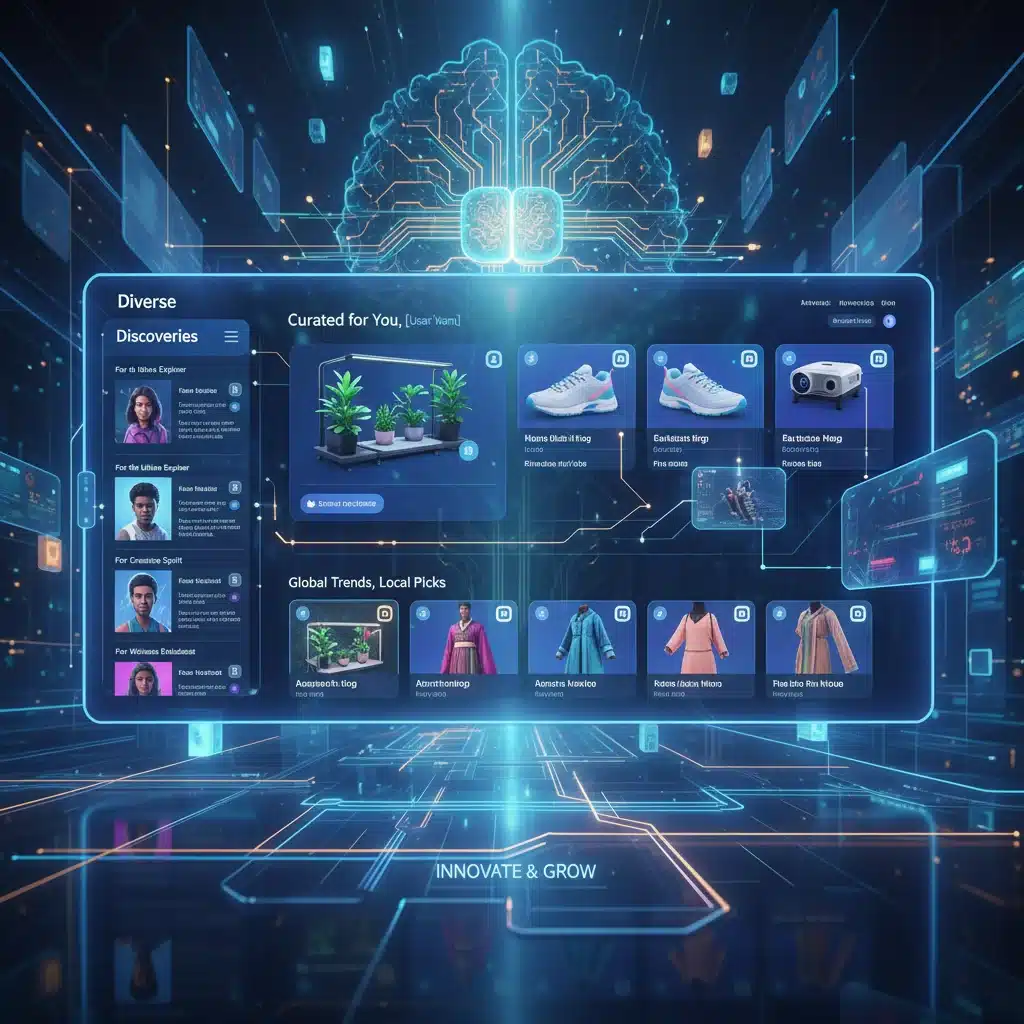
The landscape of e-commerce is in a perpetual state of evolution, driven by technological advancements and shifting consumer expectations. As we approach 2026, one trend stands out as a monumental force reshaping the digital retail experience: AI e-commerce personalisation. This isn’t just a buzzword; it’s a fundamental shift in how businesses interact with their customers, promising an astounding 18% increase in US e-commerce conversion rates. This comprehensive guide will delve into the intricacies of AI-powered personalisation, exploring its mechanisms, benefits, challenges, and the strategic imperatives for businesses looking to capitalise on this transformative wave.
The Dawn of Hyper-Personalisation: A New Era for E-commerce
In today’s hyper-competitive online marketplace, generic shopping experiences are a relic of the past. Consumers no longer just want convenience; they demand relevance. They expect online stores to understand their preferences, anticipate their needs, and present them with tailored offerings that resonate deeply. This is where AI e-commerce personalisation steps in, acting as the intelligent engine that powers these highly individualised interactions.
AI algorithms are capable of processing vast amounts of data – from browsing history and purchase patterns to demographic information and real-time behaviour – to construct a comprehensive profile of each individual shopper. This data then informs every aspect of the online journey, from the products displayed on the homepage to the email promotions received, and even the language used in customer service interactions. The result is a shopping experience so finely tuned that it feels almost intuitive, leading to higher engagement, increased customer satisfaction, and, crucially, significantly improved conversion rates.
The projected 18% boost in US e-commerce conversion rates by 2026 is not an arbitrary figure. It’s an estimation rooted in the demonstrable impact of AI on consumer behaviour and purchasing decisions. Early adopters of advanced AI personalisation strategies are already reporting substantial gains, setting a precedent for the broader industry. As AI technologies become more sophisticated and accessible, their influence will only continue to grow, making AI e-commerce personalisation an indispensable component of any successful online retail strategy.
Understanding the Mechanics: How AI Drives Personalisation
At its core, AI e-commerce personalisation relies on sophisticated machine learning models that learn and adapt over time. These models are fed a constant stream of data, allowing them to identify patterns, predict future behaviour, and make real-time adjustments to the user experience. Here’s a breakdown of the key mechanisms:
1. Data Collection and Analysis
The foundation of any effective AI personalisation strategy is robust data collection. This includes:
- Behavioural Data: Clicks, page views, search queries, time spent on pages, abandoned carts, purchase history.
- Demographic Data: Age, gender, location, income level (often inferred).
- Transactional Data: Products purchased, frequency, average order value, returns.
- Contextual Data: Device type, operating system, time of day, referral source.
- Preference Data: Explicit user preferences (e.g., wishlists, saved items) and implicit signals (e.g., products viewed repeatedly).
AI algorithms, particularly those leveraging big data analytics, excel at sifting through this voluminous and often unstructured data to uncover meaningful insights that human analysts might miss. This deep understanding of individual customer journeys is paramount for effective personalisation.
2. Predictive Analytics and Recommendation Engines
Once the data is collected and analysed, AI employs predictive analytics to forecast what a customer is likely to do next. Recommendation engines are a prime example of this in action. These engines utilise various techniques:
- Collaborative Filtering: Recommending items based on the preferences of similar users (‘customers who bought this also bought…’).
- Content-Based Filtering: Recommending items similar to those a user has liked in the past (e.g., if a user buys a specific brand of running shoes, recommend other products from that brand or similar running gear).
- Hybrid Approaches: Combining both collaborative and content-based methods for more accurate and diverse recommendations.
- Deep Learning Models: Utilising neural networks to uncover complex, non-linear relationships in data, leading to highly nuanced recommendations.
These engines power personalised product suggestions, dynamic pricing, and even tailored content recommendations, ensuring that each interaction is highly relevant to the individual.
3. Dynamic Content and User Interface Adaptation
AI e-commerce personalisation isn’t just about product recommendations. It extends to dynamically altering the entire website or app interface based on user behaviour. This can include:
- Personalised Homepages: Displaying categories, banners, and promotions most relevant to the user.
- Search Result Optimisation: Re-ranking search results based on individual preferences and past interactions.
- Dynamic Pricing: Offering special discounts or bundles based on a user’s perceived price sensitivity or loyalty.
- Tailored Email Campaigns: Sending emails with product suggestions, cart reminders, or exclusive offers that are highly specific to the recipient.
- Real-time Pop-ups and Notifications: Engaging users with timely messages based on their current browsing session.
This level of adaptability creates a fluid and engaging shopping experience that guides customers effortlessly towards their desired outcomes, significantly boosting conversion rates.
Key Benefits of AI-Powered Personalisation in E-commerce
The impact of AI e-commerce personalisation reverberates across various facets of an online business, delivering a multitude of benefits beyond just conversion rates:
1. Enhanced Customer Experience
At its heart, personalisation is about making the customer feel understood and valued. When a website anticipates needs and provides relevant suggestions, it fosters a sense of delight and efficiency. This leads to a more enjoyable and less frustrating shopping journey, which is critical for building long-term relationships.
2. Increased Conversion Rates
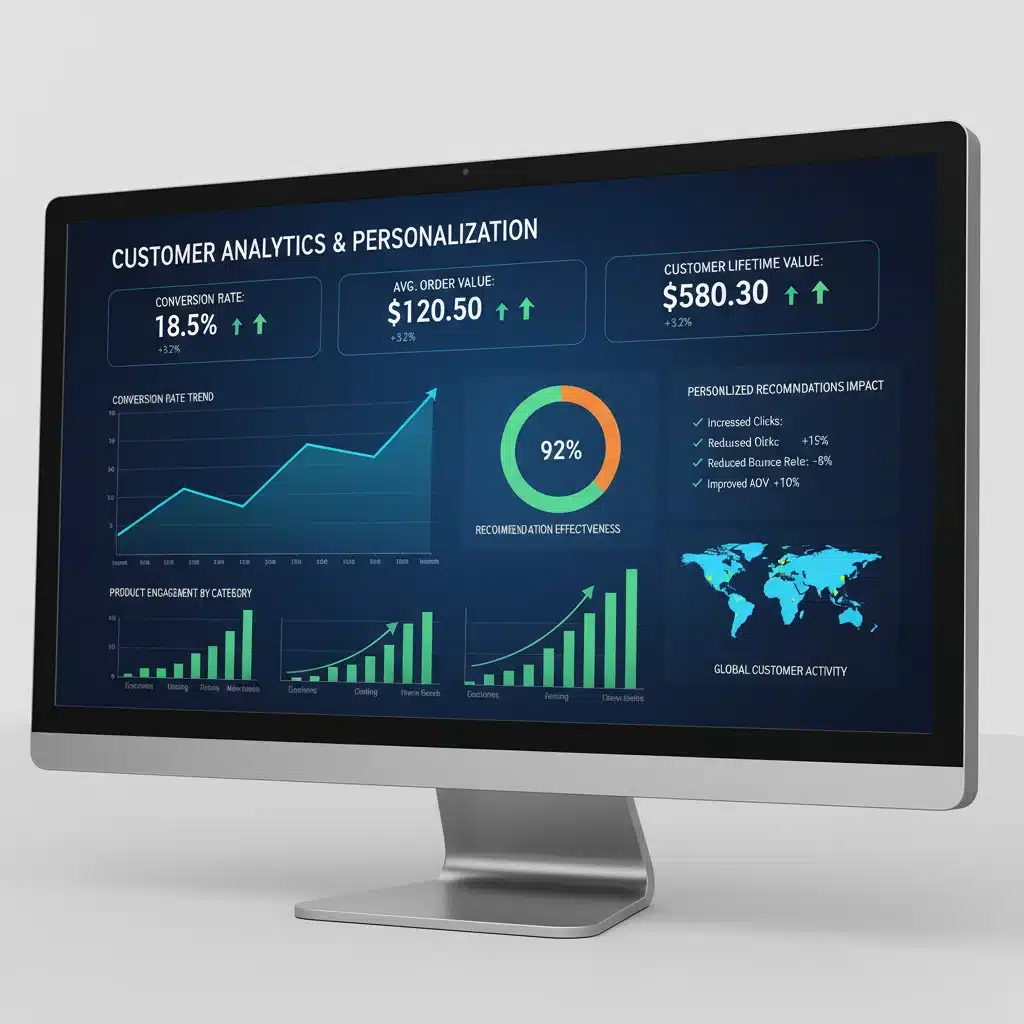
This is the most direct and measurable benefit. By presenting the right product to the right customer at the right time, AI dramatically increases the likelihood of a purchase. The projected 18% increase by 2026 underscores the immense potential for businesses to unlock significant revenue growth through targeted strategies.
3. Higher Average Order Value (AOV)
AI can strategically recommend complementary products or higher-value alternatives, encouraging customers to add more items to their cart or opt for premium versions. This intelligent up-selling and cross-selling directly contributes to a higher AOV.
4. Reduced Cart Abandonment
Personalised reminders, special offers triggered by abandoned carts, and streamlined checkout processes informed by AI can significantly reduce the number of potential sales lost at the final stage. AI can even predict which customers are most likely to abandon their carts and proactively intervene.
5. Improved Customer Loyalty and Retention
A positive and personalised shopping experience fosters loyalty. Customers are more likely to return to a store that consistently meets their needs and offers a seamless experience. AI helps build these relationships by remembering past interactions and evolving with the customer’s preferences.
6. Better Inventory Management
By accurately predicting demand for specific products based on personalised trends, AI can assist businesses in optimising their inventory. This reduces overstocking of unpopular items and ensures that high-demand products are readily available, leading to cost savings and improved customer satisfaction.
7. Actionable Insights and Business Intelligence
The data collected and processed by AI for personalisation also provides invaluable insights into customer behaviour, market trends, and product performance. This business intelligence can inform broader strategic decisions, from product development to marketing campaigns.
Implementing AI Personalisation: Strategies for Success
While the benefits are clear, successful implementation of AI e-commerce personalisation requires a strategic approach. It’s not just about deploying technology; it’s about integrating it thoughtfully into the entire customer journey.
1. Start with Clear Objectives
Before diving into tools, define what you want to achieve. Is it to increase conversion rates, reduce cart abandonment, boost AOV, or improve customer retention? Clear objectives will guide your strategy and allow for measurable outcomes.
2. Invest in Robust Data Infrastructure
AI thrives on data. Ensure you have systems in place for collecting, storing, cleaning, and integrating data from all customer touchpoints. A unified customer profile is essential for comprehensive personalisation.
3. Phased Implementation
Don’t try to personalise everything at once. Start with key areas that offer the most immediate impact, such as product recommendations on product pages or personalised email campaigns. As you gain expertise and see results, expand your personalisation efforts.
4. Personalise Across All Channels
True personalisation extends beyond the website. Consider how AI can enhance the experience across email, mobile apps, social media, and even in-store interactions (if applicable). An omnichannel approach ensures a consistent and seamless customer journey.
5. A/B Testing and Continuous Optimisation
AI models are not set-it-and-forget-it solutions. Continuously test different personalisation strategies and algorithms. A/B testing various recommendation types, content placements, and messaging will help you understand what resonates best with your audience and drive continuous improvement.
6. Balance Personalisation with Privacy
Customer trust is paramount. Be transparent about data collection practices and ensure compliance with privacy regulations like GDPR and CCPA. Empower customers with control over their data and personalisation preferences to build trust.
Challenges and Considerations
Despite its immense potential, implementing AI e-commerce personalisation is not without its challenges:
1. Data Quality and Quantity
AI models require vast amounts of high-quality data to be effective. Businesses with limited data or poor data hygiene may struggle to extract meaningful insights.
2. Integration Complexities
Integrating AI personalisation platforms with existing e-commerce systems, CRM, and other tools can be complex and require significant technical expertise.
3. Cost of Implementation
Advanced AI solutions can be expensive, requiring investment in software, infrastructure, and skilled personnel. However, the ROI often justifies the initial outlay.
4. Maintaining Customer Trust and Privacy
Over-personalisation can sometimes feel intrusive. Striking the right balance between helpful recommendations and respecting customer privacy is crucial. Ethical AI considerations are paramount.
5. ‘Cold Start’ Problem
For new customers with no historical data, AI has little to go on. Strategies like asking for initial preferences, leveraging demographic data, or using popular items can mitigate this.
6. Algorithmic Bias
If the training data contains biases, the AI model can perpetuate and even amplify them, leading to unfair or unhelpful recommendations. Continuous monitoring and bias detection are necessary.
The Future Outlook: Beyond 2026
The 18% increase in US e-commerce conversion rates by 2026 is just the beginning. As AI continues to advance, so too will the sophistication of personalisation. We can anticipate several key developments:
1. Predictive Personalisation with Proactive Engagement
AI will move beyond reacting to user behaviour to proactively anticipating needs. Imagine an e-commerce platform suggesting you restock a household item before you even realise you’re running low, based on your consumption patterns.
2. Emotional AI and Sentiment Analysis
AI will increasingly be able to detect and respond to customer emotions, tailoring interactions based on their mood or frustration levels. This could lead to more empathetic customer service bots and dynamic adjustments to the shopping experience to alleviate stress.
3. Hyper-Personalised Product Development
The insights gained from AI e-commerce personalisation will not only influence how products are sold but also how they are designed and developed. Businesses will be able to create products that are precisely tailored to specific customer segments or even individual preferences.
4. Immersive Shopping Experiences
Integration with technologies like Augmented Reality (AR) and Virtual Reality (VR) will create even more immersive and personalised shopping experiences. AI will power virtual try-ons, personalised virtual showrooms, and intelligent shopping assistants within these environments.
5. Personalisation in the Metaverse
As the metaverse evolves, AI personalisation will play a critical role in shaping individual experiences within these virtual worlds, from avatar customisation to virtual product recommendations and social interactions.

Case Studies: Real-World Impact
Numerous companies are already leveraging AI e-commerce personalisation to great effect:
- Amazon: A pioneer in personalisation, Amazon’s recommendation engine is legendary. It’s estimated that a significant portion of Amazon’s sales are driven by its personalised recommendations, showcasing the power of collaborative filtering and content-based approaches.
- Netflix: While not e-commerce in the traditional sense, Netflix’s personalisation of content recommendations is a masterclass in AI. Their ability to suggest movies and shows that align with user tastes keeps subscribers engaged and reduces churn.
- Stitch Fix: This online personal styling service uses AI and human stylists to curate clothing selections for individual customers. Their model demonstrates how AI can augment human expertise to deliver highly personalised and satisfying outcomes.
- Sephora: Utilises AI-powered tools like virtual try-on and personalised product suggestions based on skin tone and preferences, enhancing the beauty shopping experience both online and in-store.
These examples highlight the versatility and effectiveness of AI across different sectors, underscoring its potential to transform e-commerce.
Conclusion: Embracing the Personalisation Imperative
The projected 18% increase in US e-commerce conversion rates by 2026, driven by AI e-commerce personalisation, is a clear signal to businesses: the future of online retail is personal. Those who embrace this transformation will not only gain a significant competitive edge but will also build stronger, more meaningful relationships with their customers.
The journey to hyper-personalisation requires strategic investment in data infrastructure, AI technologies, and a continuous commitment to understanding and adapting to customer needs. While challenges exist, the rewards – in terms of increased conversions, higher customer loyalty, and a superior brand experience – are substantial.
For businesses looking to thrive in the dynamic digital landscape, the question is no longer whether to adopt AI personalisation, but how quickly and effectively they can integrate it into their core strategy. The time to act is now, to ensure you are not just participating in the future of e-commerce, but actively shaping it.