eBay’s Latest Q1 2026 Policy Updates: Navigating New Seller Performance Metrics for Optimal US Marketplace Standing
The e-commerce landscape is in a constant state of flux, and platforms like eBay are continually evolving to enhance buyer experience and ensure fair, high-quality transactions. For sellers operating within the United States marketplace, staying abreast of these changes isn’t just good practice; it’s essential for sustained success. As we approach Q1 2026, eBay is rolling out a series of significant policy updates, particularly concerning seller performance metrics. These changes are designed to refine the standards for what constitutes a top-performing seller, impacting everything from visibility in search results to eligibility for seller protections and lower fees. Understanding and adapting to these new guidelines will be paramount for maintaining optimal US marketplace standing. This comprehensive guide will dissect the latest Q1 2026 policy updates, offering actionable insights and strategies to help you not only comply but thrive.
Understanding the Core of eBay’s Q1 2026 Policy Shifts
eBay’s commitment to creating a trustworthy and efficient marketplace drives its regular policy reviews. The Q1 2026 updates are no exception, focusing heavily on refining the existing seller standards and introducing new performance indicators. The primary goal is to ensure that buyers consistently receive excellent service, which in turn benefits reliable sellers with increased buyer confidence and repeat business. These changes often reflect broader trends in online retail, such as heightened consumer expectations for shipping speed, accurate item descriptions, and responsive customer service. For US sellers, these updates are particularly relevant due to the competitive nature of the market and the specific logistical challenges and opportunities within the region.
The new policies aim to provide more granular detail on seller performance, moving beyond broad categories to pinpoint specific areas where sellers can improve. This proactive approach by eBay empowers sellers with clearer targets and benchmarks. Ignoring these changes could lead to a decline in your eBay seller metrics, potentially resulting in reduced listing visibility, higher final value fees, or even selling restrictions. Therefore, a thorough understanding of the nuances of these updates is the first step towards successful adaptation.
Key Areas of Focus in the Q1 2026 Updates
While the full details of all policy updates will be released closer to Q1 2026, early indications suggest a strong emphasis on several critical areas:
- Refined Transaction Defect Rate: Expect stricter interpretation and potentially new categories contributing to this rate.
- Late Shipment Rate Adjustments: Greater scrutiny on shipping timelines and tracking upload compliance.
- ‘Item Not As Described’ (INAD) Cases: Enhanced focus on accurate listings and clear communication to minimise these disputes.
- Communication Responsiveness: New metrics may be introduced to measure how quickly and effectively sellers respond to buyer inquiries.
- Return Process Efficiency: Streamlined return procedures and faster resolution times could become a more significant factor.
Each of these areas directly impacts your eBay seller metrics and, consequently, your overall standing on the platform. Proactive engagement with these potential changes will give you a significant advantage.
Deep Dive into New Seller Performance Metrics
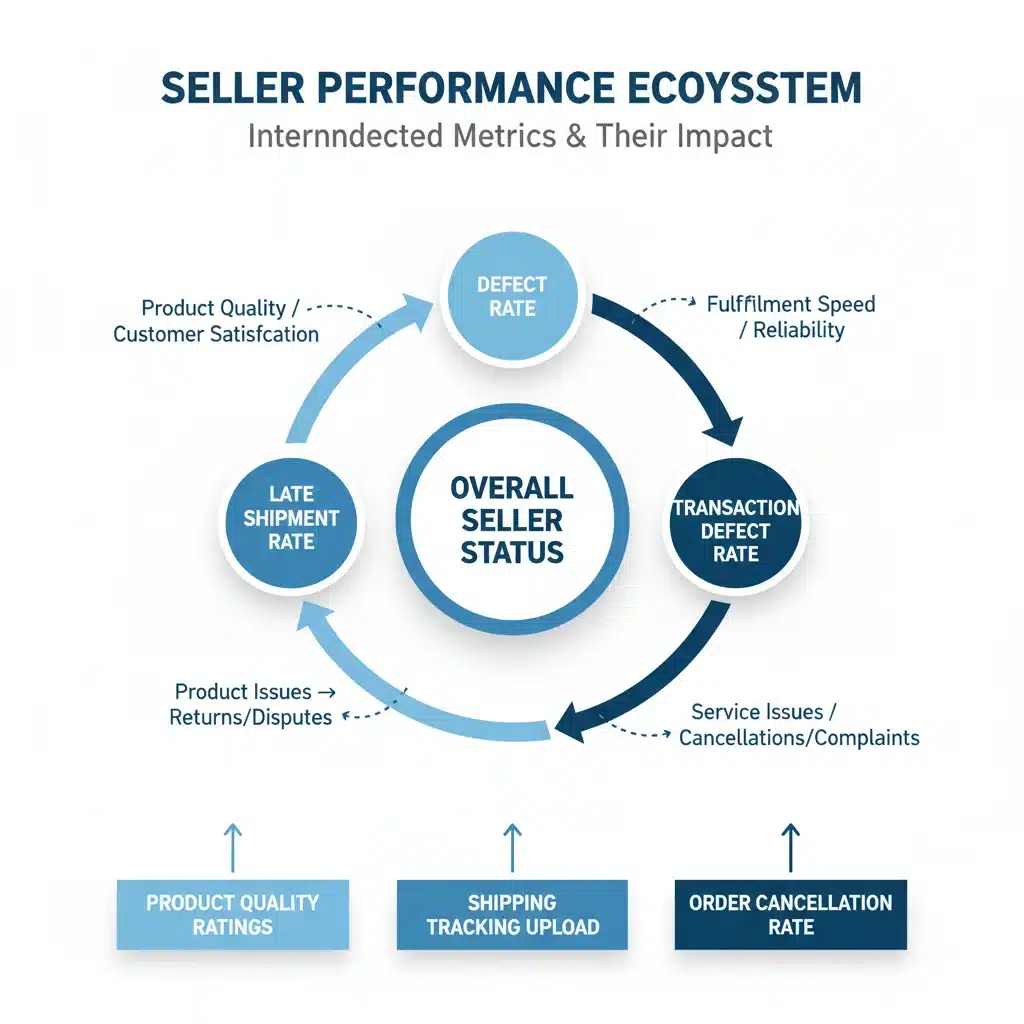
The core of the Q1 2026 updates lies in the evolution of seller performance metrics. eBay continually refines these benchmarks to ensure a high-quality marketplace. For US sellers, understanding these specific metrics and how they are calculated is crucial for maintaining or achieving Top Rated Seller status.
Transaction Defect Rate: A Closer Look
The Transaction Defect Rate (TDR) has always been a critical eBay seller metric, reflecting issues such as cancelled transactions by the seller or ‘Item Not As Described’ (INAD) cases. For Q1 2026, eBay is expected to introduce more granular sub-categories or stricter thresholds. This means a single defect could have a more pronounced impact, or specific types of defects might be weighted differently. Sellers must aim for a TDR well below eBay’s minimum requirements to avoid penalties.
- Seller-initiated Cancellations: These are often viewed most negatively. Ensure you have accurate inventory counts and avoid overselling.
- Item Not As Described (INAD) Cases: These directly reflect the accuracy of your listings. High-quality photos, detailed descriptions, and transparent condition reporting are essential.
To mitigate TDR, regular inventory audits, precise listing creation, and robust quality control before shipping are non-negotiable. Every transaction should be handled with the utmost care to prevent issues that could contribute to this vital eBay seller metric.
Late Shipment Rate: Speed and Accuracy
In an age of instant gratification, buyers expect prompt delivery. The Late Shipment Rate measures the percentage of transactions where the item was not shipped within your stated handling time or not delivered by the estimated delivery date. The Q1 2026 updates might introduce stricter monitoring of tracking information upload times and carrier scan events. For US sellers, this means:
- Accurate Handling Times: Be realistic about how long it takes you to prepare and ship an item. It’s better to state a slightly longer handling time and consistently beat it than to promise fast shipping and fall short.
- Prompt Tracking Uploads: Upload tracking information as soon as the label is created. This provides transparency to the buyer and helps eBay track your performance accurately.
- Reliable Shipping Carriers: Choose carriers known for their reliability and track record, especially during peak seasons.
Maintaining a low Late Shipment Rate is critical for positive buyer feedback and your overall eBay seller metrics. Invest in efficient packaging and shipping processes.
‘Item Not As Described’ (INAD) Cases: The Listing Imperative
INAD cases are a direct reflection of the accuracy and transparency of your product listings. With the Q1 2026 updates, eBay is likely to put even more emphasis on this area, as INADs often lead to buyer dissatisfaction and returns. To minimise INADs and protect your eBay seller metrics:
- Detailed Product Descriptions: Provide comprehensive details about the item’s condition, features, dimensions, and any flaws.
- High-Quality Photos: Use multiple clear, well-lit photos from different angles. Show any imperfections clearly.
- Accurate Categorization: List items in the most appropriate category to ensure buyers find what they expect.
- Transparency: Be honest about what you’re selling. Overstating condition or omitting crucial details will almost certainly lead to INADs.
Proactive communication with buyers before and after a sale can also help manage expectations and prevent potential INAD disputes from escalating.
Strategies for Optimising Your eBay Seller Metrics
Adapting to eBay’s Q1 2026 policy updates requires a strategic approach. It’s not just about compliance; it’s about leveraging these changes to enhance your business operations and solidify your position as a trusted seller. Here are comprehensive strategies to optimise your eBay seller metrics:
1. Master Your Listing Quality
Your listings are the frontline of your eBay business. High-quality, accurate listings are the most effective way to prevent INAD cases and ensure buyer satisfaction.
- Keywords and SEO: Research relevant keywords to ensure your items are easily discoverable. Integrate them naturally into your titles and descriptions.
- Descriptive Titles: Create clear, concise, and descriptive titles that accurately reflect the item.
- Comprehensive Descriptions: Go beyond the basics. Include all relevant specifications, materials, dimensions, and any unique features. Be upfront about any wear, damage, or alterations.
- Professional Photography: Invest in good lighting and a clean background. Take multiple high-resolution photos from various angles. Show any flaws clearly. Consider adding a video for complex items.
- Item Specifics: Fill out all relevant item specifics. This not only helps with search visibility but also provides buyers with crucial information at a glance.
- Condition Reporting: Be meticulous in describing the item’s condition. Use eBay’s standardised condition definitions and elaborate with specific details.
Regularly review your listings, especially those with high views but low conversion or those that have previously led to INAD claims. Continuous improvement in this area will significantly boost your eBay seller metrics.
2. Streamline Your Shipping and Fulfilment Processes
Efficient shipping is paramount for maintaining a low Late Shipment Rate and positive feedback. With potential stricter guidelines in Q1 2026, optimising your fulfilment is critical.
- Accurate Handling Times: Re-evaluate your handling times. If you consistently ship faster than stated, consider shortening it. If you struggle to meet current times, extend them slightly to avoid late shipments.
- Daily Shipping Schedule: Establish a consistent daily shipping routine. This ensures orders are processed promptly.
- Reliable Carriers: Partner with reliable shipping carriers that offer tracking and timely delivery. Consider offering expedited shipping options for buyers who need items quickly.
- Automated Tracking: Integrate your shipping software with eBay to automatically upload tracking information. This saves time and ensures compliance.
- Proper Packaging: Use appropriate packaging materials to protect items during transit, minimising damage claims.
- Shipping Insurance: For high-value items, consider purchasing shipping insurance to protect against loss or damage.
Proactive communication with buyers about potential shipping delays, especially during peak seasons or unforeseen circumstances, can also manage expectations and prevent negative impacts on your eBay seller metrics.
3. Excel in Customer Service and Communication
Responsive and effective communication can diffuse potential issues before they escalate into defects. eBay’s Q1 2026 updates may place more emphasis on communication metrics.
- Prompt Responses: Aim to respond to buyer inquiries within 24 hours, ideally much sooner. Even a quick acknowledgment can go a long way.
- Professional and Courteous Tone: Maintain a professional and helpful demeanour in all communications, even with difficult buyers.
- Clear and Concise Information: Provide clear answers to questions. If a buyer has an issue, offer practical solutions.
- Proactive Communication: If there’s a delay in shipping or an unforeseen issue, inform the buyer immediately. Transparency builds trust.
- Managing Returns Gracefully: Handle returns efficiently and professionally. A positive return experience can turn a potentially negative situation into a positive one.
- Feedback Management: Encourage positive feedback by providing excellent service. Address any negative feedback constructively and professionally.
Superior customer service is a cornerstone of maintaining excellent eBay seller metrics and building a loyal customer base.
4. Inventory Management and Order Accuracy
Accurate inventory management is crucial for preventing seller-initiated cancellations, a major contributor to the Transaction Defect Rate.
- Regular Inventory Audits: Periodically verify your physical inventory against your listed quantities on eBay.
- Inventory Management Software: For higher volume sellers, consider using inventory management software that integrates with eBay to automatically update stock levels.
- Buffer Stock: Maintain a small buffer stock for popular items to account for unexpected demand or discrepancies.
- Double-Check Orders: Before packaging, double-check that you are shipping the correct item, size, colour, and quantity that the buyer ordered.
Minimising errors in inventory and order fulfilment directly translates to improved eBay seller metrics.

Leveraging eBay Tools and Resources
eBay provides a suite of tools and resources designed to help sellers monitor their performance and adapt to policy changes. Utilise these to your full advantage.
Seller Hub: Your Performance Dashboard
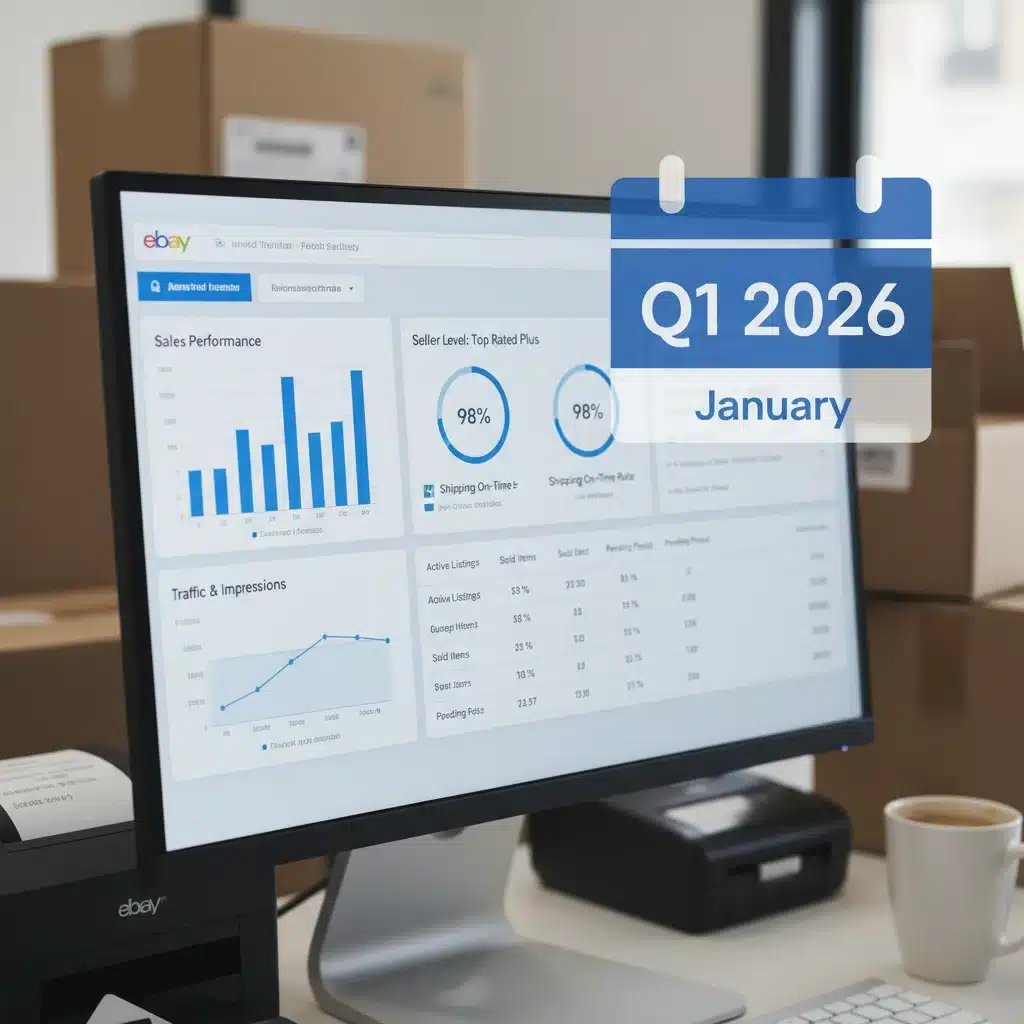
The Seller Hub is your central command centre for all things related to your eBay business. It provides real-time data on your eBay seller metrics, including your defect rate, late shipment rate, and ‘Item Not As Described’ percentages. Regularly review these metrics to identify areas for improvement.
- Performance Tab: Dive deep into the ‘Performance’ tab to see detailed breakdowns of your seller standards. This is where you’ll find your current seller level (Top Rated, Above Standard, Below Standard) and specific metrics that contribute to it.
- Service Metrics: Pay close attention to your ‘Service Metrics,’ which compare your performance against similar sellers. This can highlight areas where you might be underperforming relative to your peers.
- Seller Protections: Understand the seller protections available, especially in cases of buyer abuse or issues beyond your control. Knowing your rights can help you appeal unfair defects.
eBay Seller Updates and Community Forums
Stay informed directly from the source. eBay regularly publishes seller updates detailing policy changes. Subscribe to these updates and actively participate in the eBay Community Forums.
- Official Announcements: Always refer to eBay’s official announcements for the most accurate information regarding Q1 2026 policy changes.
- Community Insights: The forums are a valuable resource for understanding how other sellers are interpreting and adapting to changes. You can also get practical advice and share experiences.
The Impact of Optimal US Marketplace Standing
Achieving and maintaining optimal US marketplace standing, particularly Top Rated Seller status, comes with significant benefits that directly impact your profitability and growth.
Increased Visibility and Sales
Sellers with excellent eBay seller metrics often benefit from increased visibility in search results. eBay’s algorithm tends to favour sellers who consistently provide a positive buyer experience. Higher visibility means more potential buyers viewing your listings, leading to increased traffic and, ultimately, more sales.
Lower Selling Fees
Top Rated Sellers are often eligible for discounts on final value fees, which can significantly reduce your operational costs. These savings can be reinvested into your business, used for competitive pricing, or simply boost your profit margins.
Enhanced Buyer Trust and Loyalty
The ‘Top Rated Seller’ badge is a powerful trust signal for buyers. It assures them that they are dealing with a reliable seller who offers excellent service. This trust translates into higher conversion rates, repeat purchases, and positive feedback, creating a virtuous cycle of success.
Access to Premium Features and Protections
Top Rated Sellers may also gain access to exclusive features, dedicated support, and enhanced seller protections, making it easier to resolve disputes and navigate complex situations.
Preparing for Q1 2026: A Checklist for US Sellers
To ensure you’re fully prepared for eBay’s Q1 2026 policy updates and can maintain strong eBay seller metrics, consider this checklist:
- Review Current Performance: Analyse your current Seller Standards Dashboard and Service Metrics. Identify any weak points.
- Update Listings: Conduct an audit of your existing listings. Ensure descriptions are accurate, photos are high-quality, and item specifics are complete.
- Optimise Shipping: Verify your stated handling times and shipping methods. Ensure your packaging and tracking processes are efficient.
- Refine Customer Service: Review your communication strategies. Aim for prompt, professional, and helpful responses to all buyer inquiries.
- Inventory Management: Implement robust inventory control to prevent overselling and cancellations.
- Stay Informed: Regularly check eBay’s official announcements and seller updates for the latest policy details.
- Train Your Team: If you have a team, ensure everyone is aware of the new policies and their role in maintaining high standards.
- Seek Feedback: Actively solicit feedback from buyers and use it to continuously improve your service.
Conclusion: Thriving in the Evolving eBay Marketplace
eBay’s Q1 2026 policy updates, particularly those impacting eBay seller metrics, represent a continuous effort to foster a dynamic and reliable marketplace. For US sellers, these changes are not merely hurdles to overcome but opportunities to refine operations, enhance buyer satisfaction, and ultimately, elevate your business. By proactively understanding the new performance benchmarks, meticulously optimising your listings, streamlining your shipping, and prioritising exceptional customer service, you can not only meet but exceed eBay’s evolving expectations.
Embrace these changes as a catalyst for growth. A strong focus on your eBay seller metrics will ensure your business remains competitive, visible, and profitable in the thriving US marketplace for years to come. The sellers who adapt swiftly and strategically will be the ones who reap the greatest rewards, securing their place as top performers and enjoying all the benefits that come with optimal marketplace standing.