Edge Computing’s Impact on US E-commerce Performance: Achieving Sub-Second Latency for 2026 Peak Seasons
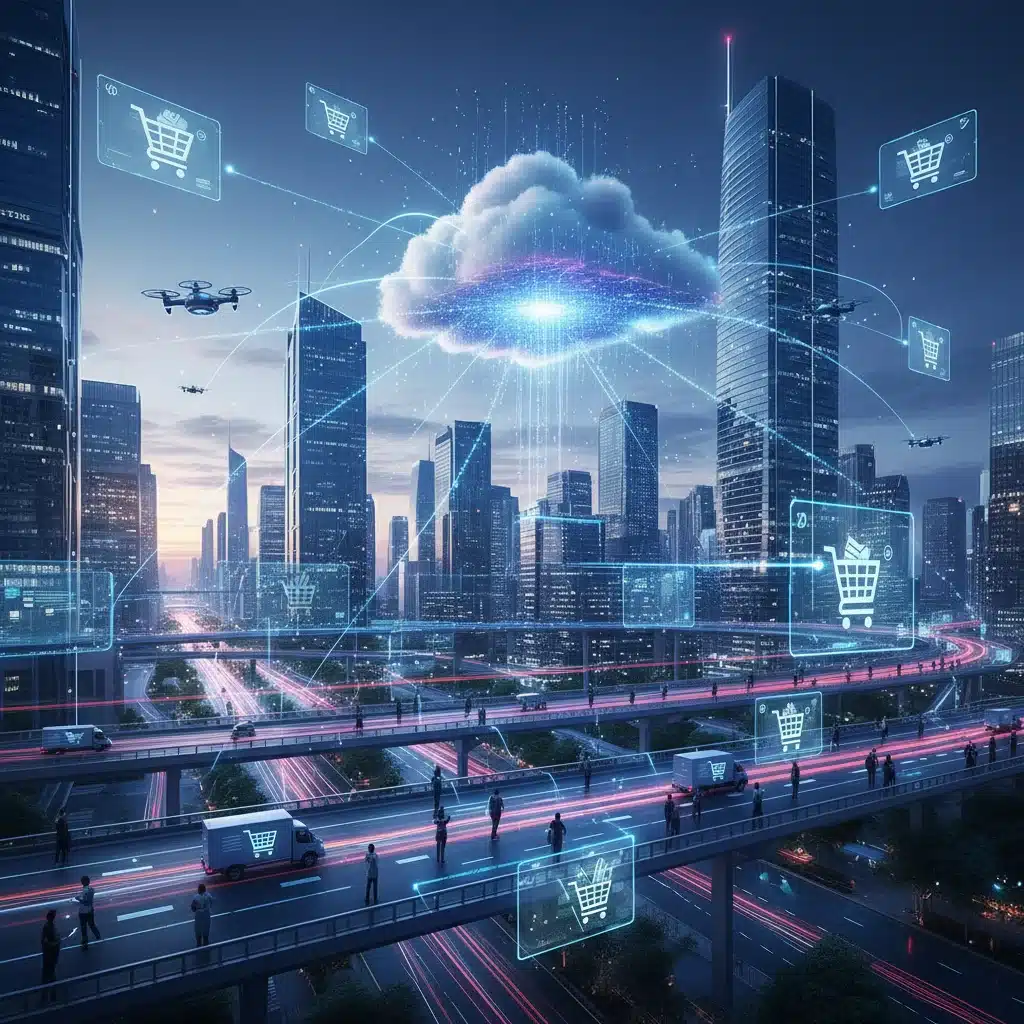
The landscape of US e-commerce is in a perpetual state of evolution, driven by ever-increasing consumer expectations for speed, personalisation, and seamless experiences. As we look towards the demanding 2026 peak seasons, the need for technological innovation to meet these demands becomes paramount. One such innovation, edge computing, is emerging as a critical enabler for achieving the coveted sub-second latency that will define success in the competitive digital retail arena. This comprehensive article delves into the profound impact of edge computing e-commerce, exploring its mechanisms, benefits, challenges, and strategic implementation for future-proofing online retail operations.
The digital storefront is no longer just a place to buy; it’s an immersive experience that demands instant gratification. Every millisecond counts. Research consistently shows that even a slight delay in page load times can lead to significant drops in conversion rates, increased bounce rates, and ultimately, lost revenue. For the US e-commerce sector, which is projected to continue its robust growth, optimising performance is not just an advantage – it’s a necessity. This is where edge computing e-commerce steps in, promising to bring computational power and data storage closer to the source of data generation and consumption: the customer.
Understanding Edge Computing: The Foundation for Future E-commerce
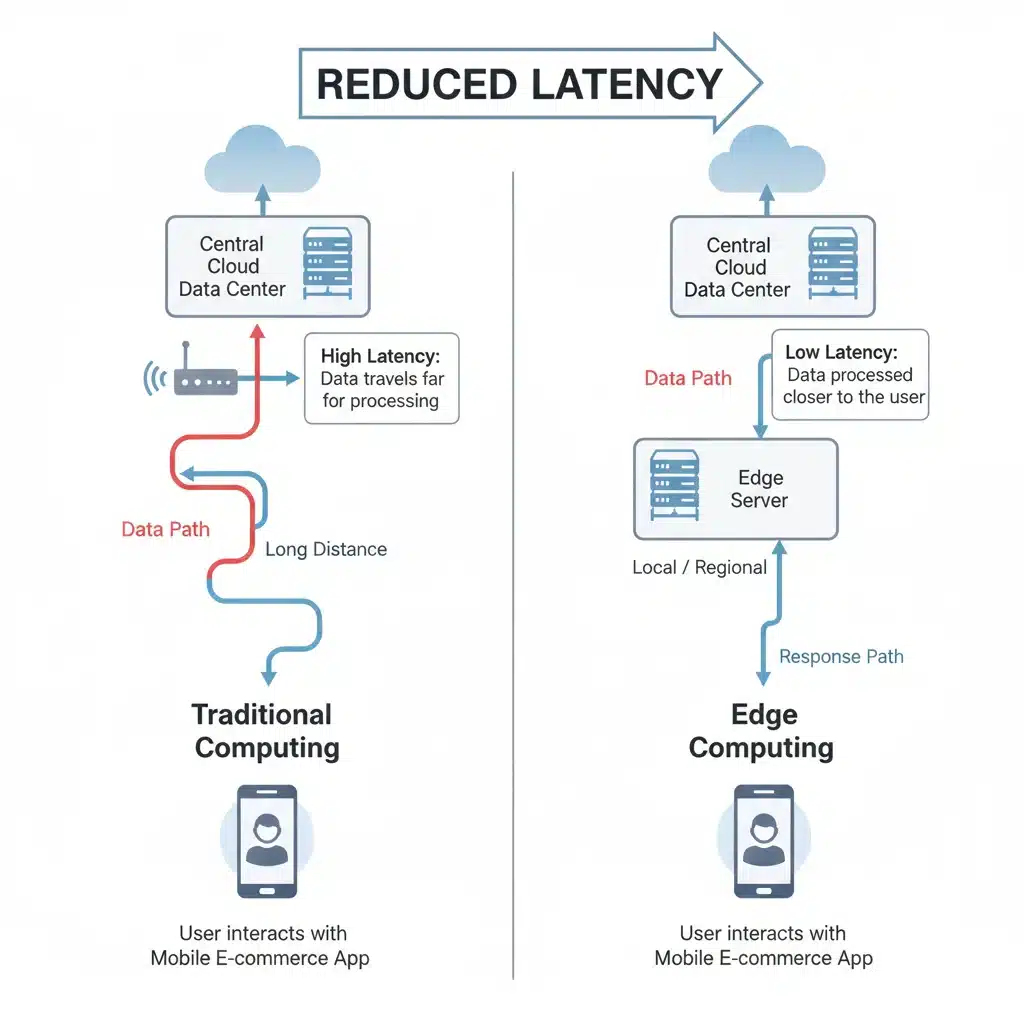
At its core, edge computing is a distributed computing paradigm that brings computation and data storage closer to the sources of data. Instead of sending all data to a centralised cloud or data centre for processing, edge devices process data locally, at the ‘edge’ of the network. This fundamental shift has profound implications for latency, bandwidth usage, and reliability. In the context of e-commerce, this means processing customer requests, managing inventory, and delivering content with unprecedented speed.
Traditional cloud computing, while powerful, often involves data travelling significant geographical distances to reach a central server and then back to the user. This round-trip can introduce latency, especially for users geographically distant from data centres. Edge computing mitigates this by placing mini-data centres or processing units closer to the end-users, whether that’s in a retail store, a local warehouse, or even a customer’s smart device. The result is a significant reduction in the time it takes for data to travel, process, and return, paving the way for sub-second response times.
The Latency Imperative: Why Sub-Second Matters for E-commerce
In the digital realm, latency is the enemy of engagement. For e-commerce, even a one-second delay can lead to a 7% reduction in conversions, 11% fewer page views, and a 16% decrease in customer satisfaction. As the competition intensifies and consumer attention spans shrink, achieving sub-second latency is no longer a luxury but a critical differentiator. Imagine a customer browsing products, adding items to a cart, or completing a checkout process. Any delay, no matter how minor, can disrupt the flow, leading to frustration and abandonment.
Sub-second latency translates directly into a smoother, more responsive, and more enjoyable shopping experience. This is particularly crucial during peak seasons like Black Friday, Cyber Monday, and the holiday shopping rush, where website traffic surges, and system responsiveness is tested to its limits. During these periods, every millisecond saved can mean millions in increased revenue and enhanced brand loyalty. Edge computing e-commerce provides the architectural framework to handle such surges gracefully, ensuring consistent performance even under extreme load.
Key Benefits of Edge Computing for US E-commerce
The advantages of integrating edge computing into e-commerce operations are multi-faceted, extending beyond mere speed to encompass improved security, reduced operational costs, and enhanced decision-making capabilities.
1. Drastically Reduced Latency and Improved User Experience
This is perhaps the most significant and immediate benefit. By bringing computing resources closer to the user, the physical distance data needs to travel is minimised. This directly translates to faster page loads, quicker response times for interactive elements (like dynamic product configurators or augmented reality shopping experiences), and seamless checkout processes. A frictionless user experience leads to higher engagement, lower bounce rates, and ultimately, increased conversion rates. For the 2026 peak seasons, this will be non-negotiable for competitive advantage.
2. Enhanced Reliability and Resilience
Edge computing distributes processing power, meaning that a failure in one central data centre does not necessarily bring down the entire system. Localised processing at the edge can continue even if connectivity to the central cloud is temporarily disrupted. This enhanced resilience is vital for e-commerce, where downtime translates directly to lost sales and reputational damage, especially during critical sales periods. Furthermore, it allows for more robust offline capabilities for certain applications.
3. Optimised Bandwidth Utilisation and Cost Savings
Instead of transmitting vast amounts of raw data to the cloud for processing, edge devices can process data locally and send only relevant, aggregated insights to the central cloud. This significantly reduces the amount of data transmitted over networks, leading to lower bandwidth costs. For large-scale e-commerce operations with numerous physical stores, warehouses, or IoT devices, these savings can be substantial.
4. Stronger Security and Data Privacy
Processing data at the edge can also enhance security. Sensitive customer data can be processed and anonymised locally before being sent to the cloud, reducing the risk of data breaches during transit. Furthermore, distributed data processing can limit the impact of a single point of failure or attack. Compliance with data privacy regulations, such as GDPR or CCPA, can also be streamlined by keeping certain data localised and processed under specific regulatory frameworks at the edge.
5. Support for Advanced Technologies (AI, AR, IoT)
Many emerging e-commerce technologies, such as Artificial Intelligence (AI) for real-time recommendations, Augmented Reality (AR) for virtual try-ons, and the Internet of Things (IoT) for smart inventory management, require low latency and high bandwidth. Edge computing provides the necessary infrastructure to deploy and scale these technologies effectively. For instance, real-time AI recommendations can be processed at the edge, offering immediate, hyper-personalised suggestions without delay. IoT sensors in warehouses can feed data directly to edge devices for instant inventory updates and reorder triggers.
Strategic Implementation of Edge Computing in US E-commerce for 2026
Adopting edge computing e-commerce is not a one-size-fits-all solution; it requires careful planning and a phased approach. For US e-commerce businesses aiming for success in 2026, several strategic implementation areas stand out.
1. Enhancing In-Store Experiences with Edge
While e-commerce focuses on online sales, many retailers operate a hybrid model. Edge computing can revolutionise the physical store experience. Think smart shelves that track inventory in real-time, digital signage that dynamically updates based on foot traffic and customer demographics, or augmented reality mirrors that allow customers to virtually try on clothes. All these applications require immediate data processing that only edge computing can provide, creating a seamless omnichannel experience.
2. Optimising Last-Mile Delivery and Logistics
The final leg of delivery is often the most complex and costly. Edge computing can play a pivotal role in optimising last-mile logistics. IoT devices in delivery vehicles can provide real-time traffic updates, route optimisations, and predictive maintenance alerts processed at the edge. Drones for delivery could rely on edge processing for navigation and obstacle avoidance. This leads to faster, more efficient, and more reliable deliveries, directly impacting customer satisfaction.
3. Real-time Personalisation and Recommendations
Personalisation is key to modern e-commerce. Edge computing enables real-time data analysis of customer behaviour, allowing for instant, hyper-personalised product recommendations, dynamic pricing adjustments, and tailored promotional offers. This goes beyond traditional cloud-based personalisation, which often involves a slight delay. With edge, the customer’s interaction can trigger an immediate, relevant response, significantly improving conversion rates.
4. Fraud Detection and Cybersecurity at the Edge
E-commerce businesses are constant targets for cyberattacks and fraudulent transactions. Edge computing can bolster security by enabling real-time fraud detection at the point of transaction. Suspicious activities can be flagged and acted upon instantly, before they escalate. By distributing security intelligence to the edge, businesses can create a more robust and resilient defence against evolving cyber threats.
5. Predictive Analytics for Inventory Management
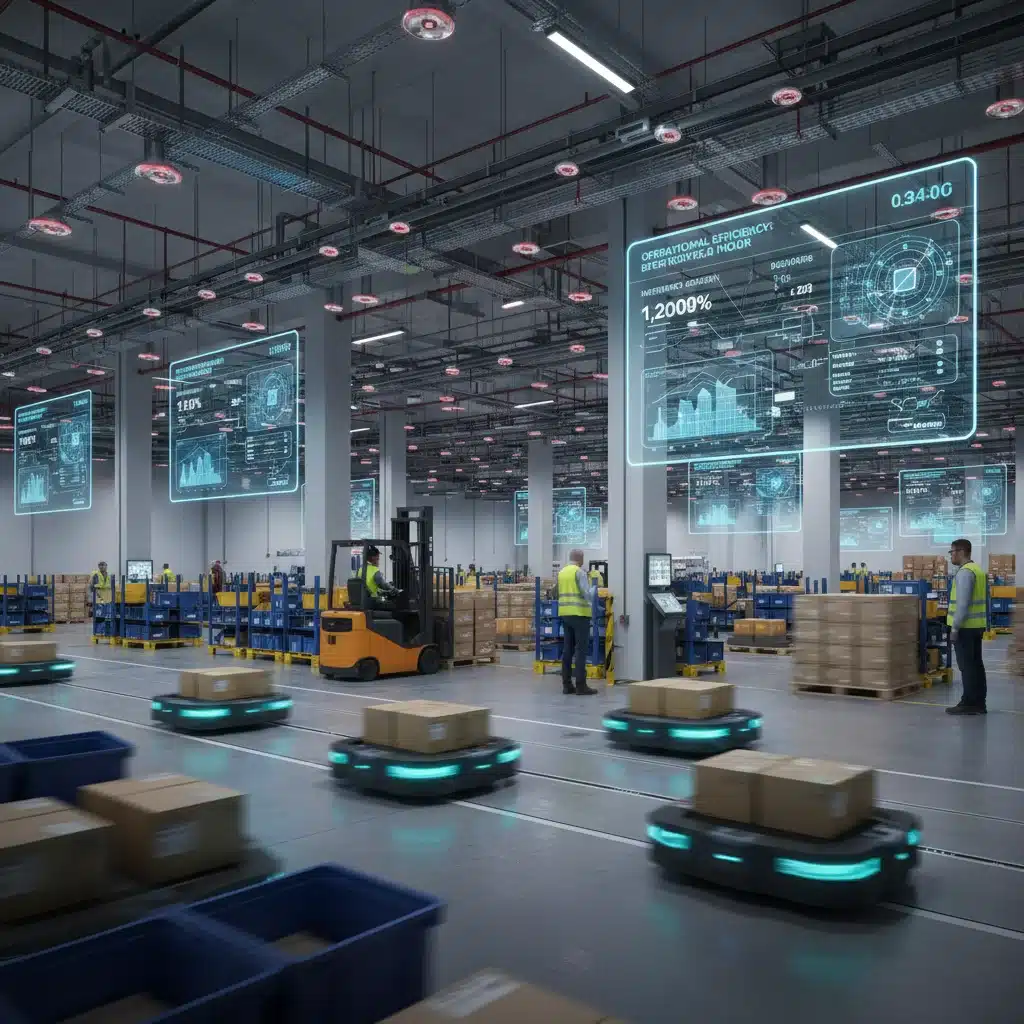
Accurate inventory management is crucial for avoiding stockouts and overstocking. Edge devices in warehouses and distribution centres can collect and process data from sensors, RFID tags, and other IoT devices in real-time. This local processing can feed into predictive analytics models that forecast demand more accurately, optimise stock levels, and automate reordering processes, ensuring products are always available when customers want them.
Challenges and Considerations for Adopting Edge Computing
While the benefits are compelling, the adoption of edge computing e-commerce is not without its challenges. Businesses must carefully consider these factors to ensure a successful implementation.
1. Infrastructure Investment and Management
Deploying edge infrastructure requires significant upfront investment in hardware, software, and network capabilities. Managing a distributed network of edge devices can also be more complex than managing a centralised cloud infrastructure. This involves considerations for device provisioning, monitoring, maintenance, and updates across a potentially vast geographical spread.
2. Data Synchronisation and Consistency
Ensuring data consistency across edge devices and the central cloud can be challenging. A robust data synchronisation strategy is essential to prevent data discrepancies and ensure that all parts of the e-commerce ecosystem are working with the most up-to-date information. This requires sophisticated data management tools and protocols.
3. Security at the Edge
While edge computing can enhance security in some ways, it also introduces new attack vectors. Each edge device becomes a potential point of entry for malicious actors. Robust security measures, including strong authentication, encryption, and regular security audits, are crucial for protecting edge infrastructure and the data it processes.
4. Skill Gap and Talent Acquisition
Implementing and managing an edge computing environment requires specialised skills in areas like distributed systems, network engineering, cybersecurity, and IoT. Businesses may face a skill gap and need to invest in training existing staff or hiring new talent to effectively leverage edge technology.
5. Integration with Existing Systems
Integrating new edge computing solutions with existing legacy e-commerce platforms, ERP systems, and CRM tools can be complex. A well-defined integration strategy and the use of open APIs are essential to ensure seamless data flow and operational efficiency.
The Road to 2026 Peak Seasons: A Phased Approach
For US e-commerce businesses looking to harness the power of edge computing e-commerce for the 2026 peak seasons, a phased approach is recommended:
- Assessment and Pilot Projects: Start by identifying specific areas within your e-commerce operations that would benefit most from reduced latency and localised processing. Conduct small-scale pilot projects to test the technology, gather data, and refine your approach.
- Infrastructure Planning: Develop a comprehensive infrastructure plan that outlines the necessary hardware, software, and network upgrades. Consider partnerships with edge computing providers to leverage their expertise and infrastructure.
- Security and Compliance Framework: Establish robust security protocols and ensure compliance with all relevant data privacy regulations from the outset. This should be an integral part of the planning process, not an afterthought.
- Talent Development: Invest in training your existing IT and operations teams on edge computing technologies or recruit new talent with the necessary expertise.
- Iterative Deployment and Scaling: Roll out edge computing solutions incrementally, learning from each deployment and scaling up as you achieve success. This iterative approach allows for flexibility and continuous improvement.
Conclusion: Edge Computing as the Future of US E-commerce Performance
The relentless pursuit of speed and an unparalleled customer experience is driving the next wave of innovation in US e-commerce. As we head towards the demanding 2026 peak seasons, the ability to deliver sub-second latency will be a crucial differentiator for online retailers. Edge computing e-commerce offers the architectural paradigm shift required to meet these elevated expectations.
By bringing computation closer to the customer, edge computing promises not only a dramatic reduction in latency but also enhanced reliability, improved security, and the foundational support for cutting-edge technologies like AI, AR, and IoT. While challenges exist, the strategic implementation of edge computing will empower e-commerce businesses to create more engaging, efficient, and resilient digital storefronts, ultimately leading to sustained growth and a superior competitive position in the dynamic world of online retail. The future of e-commerce is at the edge, and businesses that embrace this transformation will be well-positioned to thrive.