Live Shopping: The Future of US Digital Retail – 20% Market Share by 2026
Live Shopping: The Future of US Digital Retail – Capturing a 20% Market Share by End of 2026
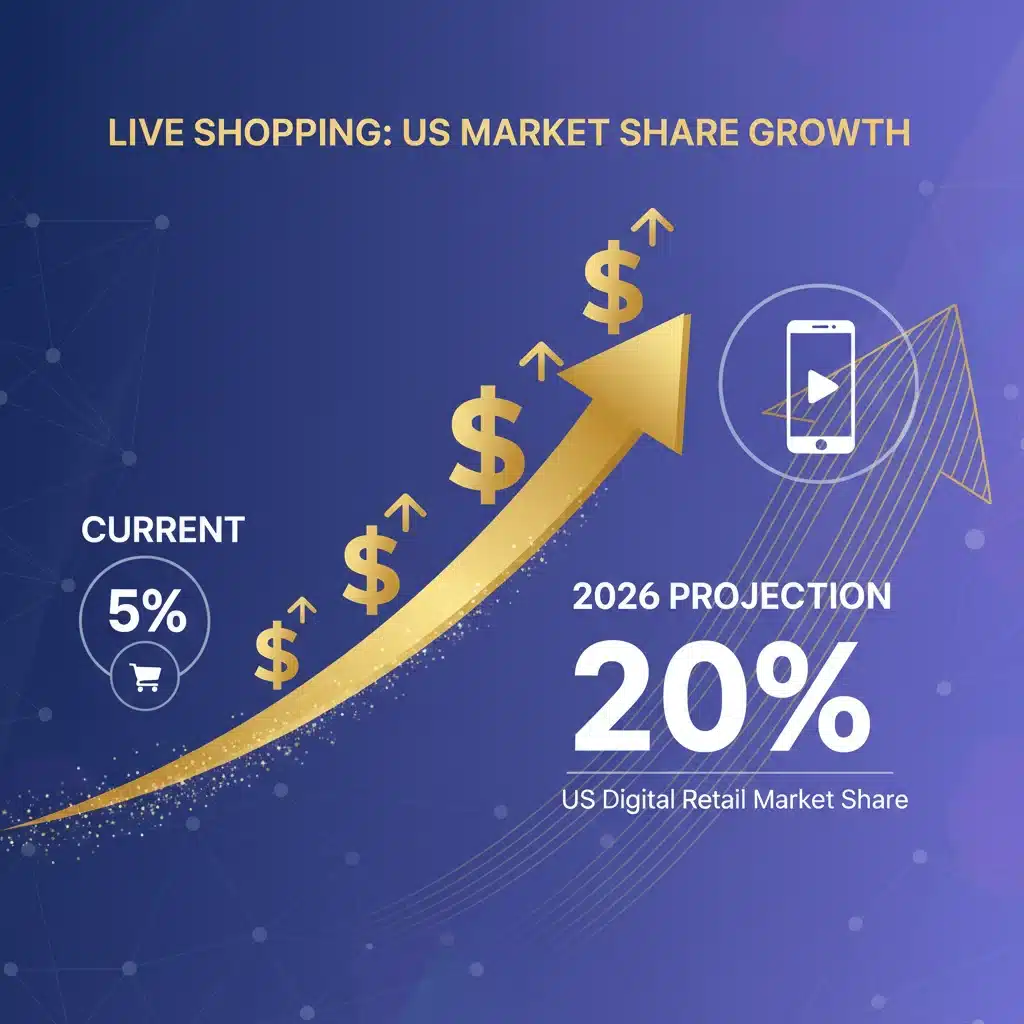
The landscape of retail is in constant flux, driven by technological advancements and evolving consumer behaviors. Among the most transformative trends emerging in recent years, live shopping stands out as a powerful force reshaping how consumers discover, evaluate, and purchase products online. This isn’t just a fleeting fad; it’s a fundamental shift in digital retail, poised to capture a significant portion of the market. Industry experts and market analysts project that live shopping, also known as livestream commerce or shoppable live streams, is on track to secure an impressive 20% market share in US digital retail by the end of 2026. This article delves into the meteoric rise of live shopping growth, exploring the factors driving its success, the benefits it offers to both consumers and businesses, the challenges that need to be overcome, and the strategic imperatives for brands looking to capitalize on this burgeoning opportunity.
The Genesis of a Retail Revolution: Understanding Live Shopping Growth
While live shopping might seem like a relatively new phenomenon in the Western world, its roots trace back to Asia, particularly China, where it has been a dominant force in e-commerce for years. Platforms like Taobao Live and Douyin (the Chinese version of TikTok) have cultivated a thriving ecosystem where influencers, celebrities, and brand representatives host live broadcasts, showcasing products, answering questions in real-time, and driving immediate sales through integrated purchasing functionalities. The sheer scale of live shopping in China is staggering, with billions of dollars in transactions occurring annually through these interactive streams.
The COVID-19 pandemic acted as a significant catalyst for the global adoption of live shopping. As physical retail stores faced closures and consumers spent more time at home, the demand for engaging and interactive online shopping experiences surged. Brands, desperate to connect with their audience in a meaningful way, turned to live streaming as a viable alternative to traditional in-store interactions. This period of rapid experimentation and adoption laid the groundwork for the current trajectory of live shopping growth in the United States.
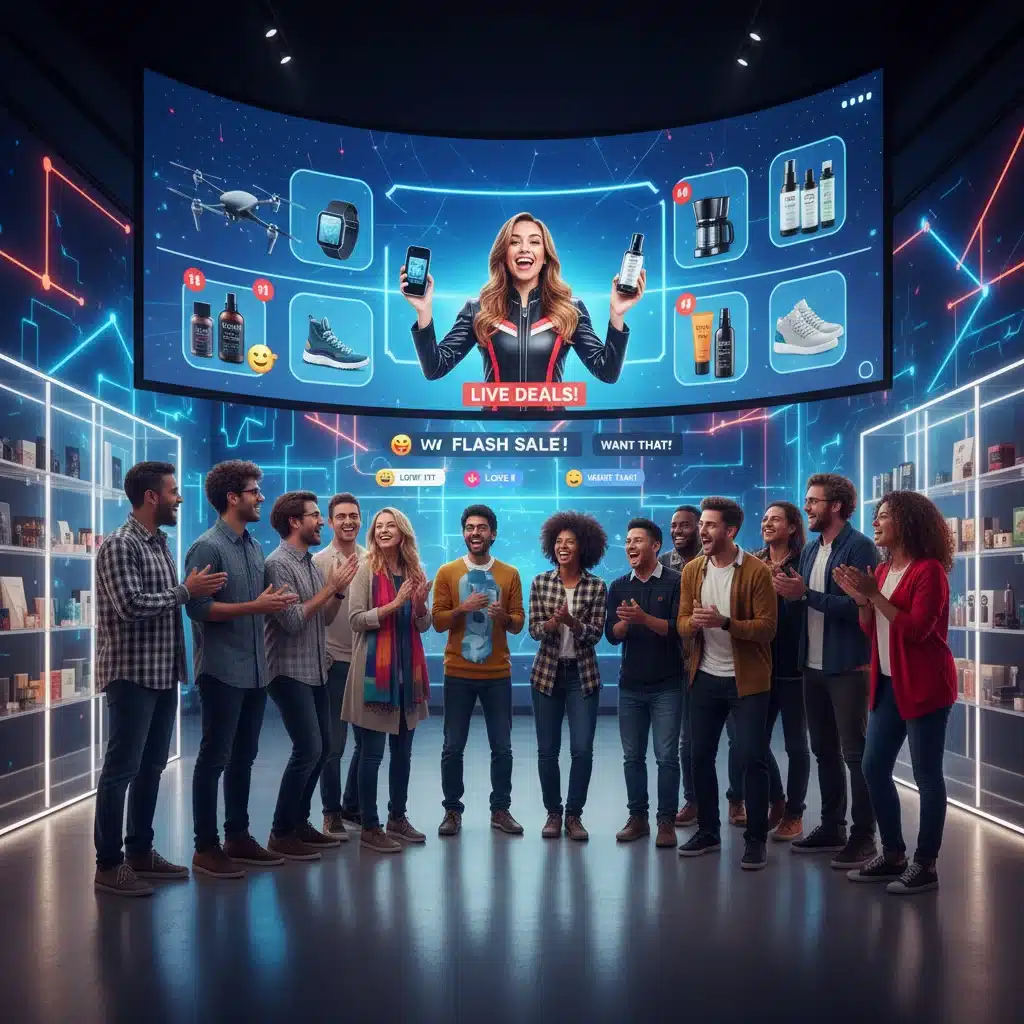
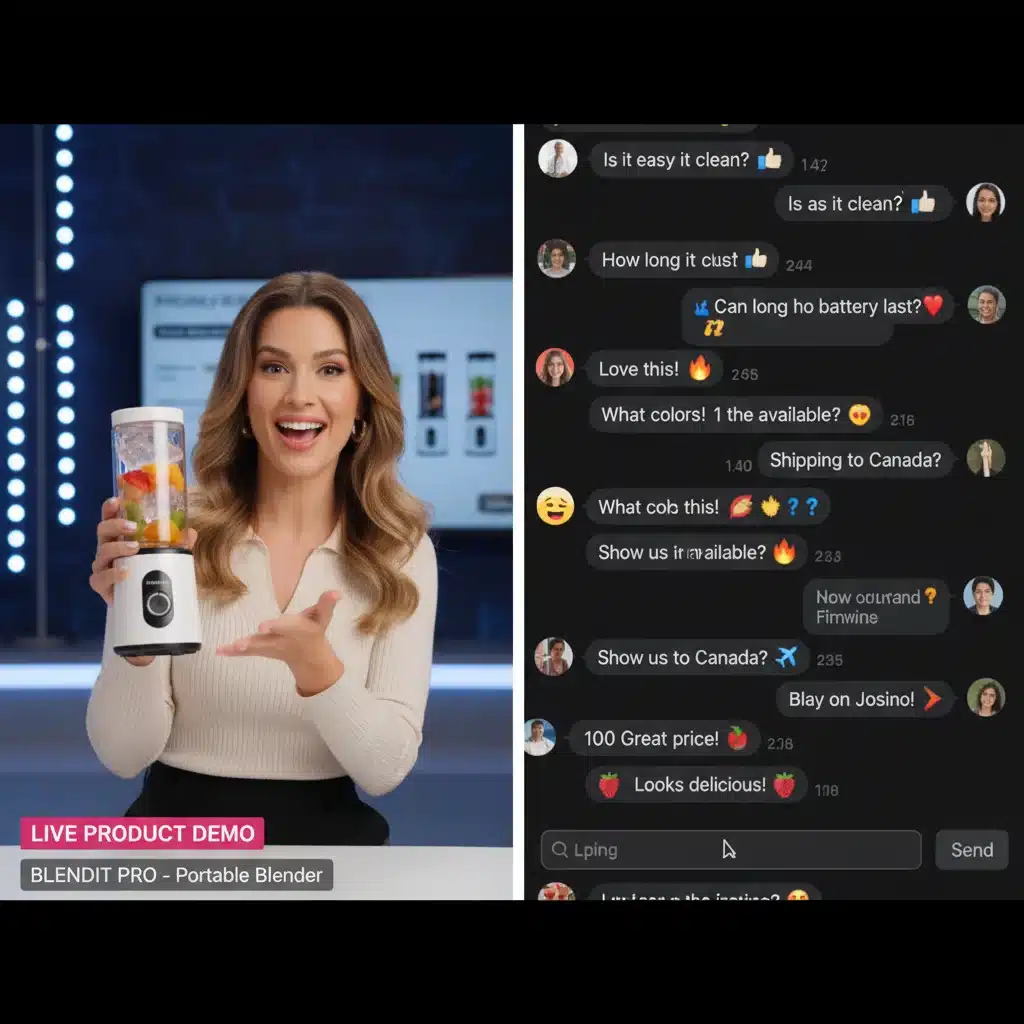
What exactly is live shopping? At its core, it’s the fusion of entertainment, social media, and e-commerce. It involves a host presenting products live, often demonstrating their features, answering questions from viewers in real-time via a chat function, and offering exclusive deals or limited-time promotions. The interactive nature creates a sense of urgency, community, and authenticity that traditional online shopping often lacks. Consumers can see products in action, get immediate answers to their queries, and feel a personal connection to the brand or presenter, fostering trust and encouraging impulsive purchases.
The projected 20% market share by 2026 is a testament to the profound impact live shopping is expected to have. This isn’t just about incremental gains; it’s about a significant reallocation of consumer spending within the digital retail space. Businesses that understand and adapt to this shift will be best positioned for future success.
Key Drivers Fueling Live Shopping Growth in the US
Several interconnected factors are propelling the rapid expansion of live shopping across the US digital retail landscape:
Enhanced Customer Engagement and Interactivity
One of the primary differentiators of live shopping is its unparalleled ability to engage customers. Unlike static product pages or pre-recorded videos, live streams offer real-time interaction. Viewers can ask questions about product specifications, sizing, materials, or even how a product looks when worn by a real person. The host can address these queries instantly, providing a personalized shopping experience that mimics the best aspects of in-store assistance. This direct line of communication builds rapport and trust, turning passive viewers into active participants and ultimately, loyal customers. The dynamic and immediate feedback loop is a powerful engine for live shopping growth.
The Power of Authenticity and Trust
In an age of skepticism towards traditional advertising, authenticity is a highly valued commodity. Live shopping, especially when hosted by relatable influencers or passionate brand ambassadors, inherently feels more authentic. Viewers witness unscripted demonstrations, genuine reactions, and honest answers to questions. This transparency fosters a deeper level of trust, which is crucial for purchasing decisions. When consumers trust the person presenting the product, they are more likely to trust the product itself and the brand behind it.
Entertainment and “Shoppertainment” Value
Live shopping isn’t just about buying; it’s also about entertainment. Many live streams are designed to be engaging and enjoyable, blending product demonstrations with storytelling, humor, and personality. This concept of “shoppertainment” transforms shopping from a chore into a leisure activity. Consumers tune in not just to buy, but to be entertained, learn something new, or simply connect with a community of like-minded individuals. This entertainment value significantly increases viewer retention and the likelihood of purchase, contributing directly to live shopping growth.
Instant Gratification and Urgency
The live format naturally creates a sense of urgency. Limited-time offers, flash sales, and exclusive bundles available only during the broadcast encourage immediate purchase decisions. The fear of missing out (FOMO) is a powerful psychological trigger that live shopping leverages effectively. Viewers know that if they don’t act now, they might miss out on a great deal or a popular item. This instant gratification aspect aligns perfectly with modern consumer expectations for speed and convenience.
Accessibility and Convenience
Live shopping can be accessed from anywhere, at any time, via a smartphone or computer. This unparalleled convenience removes geographical barriers and allows consumers to shop from the comfort of their homes, during their commute, or on a break. The integration of purchasing directly within the live stream further streamlines the buying process, making it incredibly easy for viewers to convert their interest into a sale. This ease of access is a fundamental driver of widespread live shopping growth.
Technological Advancements and Platform Proliferation
The underlying technology supporting live streaming has matured significantly, offering stable, high-quality broadcasts with minimal latency. Furthermore, the proliferation of platforms, from dedicated live shopping apps to integrations within major social media channels like Instagram, TikTok, Facebook, and YouTube, has made it easier for brands to host and for consumers to discover live shopping events. These platforms continuously innovate, adding features like augmented reality filters, interactive polls, and gamification elements that further enhance the live shopping experience.
Benefits for Businesses: Why Brands Are Embracing Live Shopping
The allure of live shopping for businesses extends far beyond simply generating sales. It offers a multifaceted approach to brand building, customer acquisition, and market expansion.
Increased Sales and Conversion Rates
Perhaps the most obvious benefit is the direct impact on sales. Live shopping events often boast significantly higher conversion rates compared to traditional e-commerce. The combination of product demonstration, real-time Q&A, and exclusive offers creates a compelling environment that drives immediate purchases. Brands can showcase multiple products, suggest complementary items, and upsell effectively within a single session, leading to higher average order values. This direct revenue generation is a key factor in the accelerating live shopping growth.
Enhanced Brand Awareness and Reach
Live streams can reach a vast audience, especially when promoted effectively across social media channels. By partnering with popular influencers or leveraging existing follower bases, brands can expose their products to new demographics and significantly increase brand visibility. The shareable nature of live content further amplifies reach, as viewers often share interesting streams with their networks, acting as organic brand advocates. This broad exposure is invaluable for both established and emerging brands.
Deeper Customer Relationships and Loyalty
The interactive and personal nature of live shopping fosters stronger connections between brands and their customers. When customers feel seen, heard, and valued through real-time interactions, their loyalty to the brand deepens. Brands can use live streams to gather immediate feedback, understand customer preferences, and even involve them in product development discussions, creating a sense of community and ownership. This emotional connection translates into repeat purchases and long-term customer value, bolstering live shopping growth.
Valuable Market Research and Feedback
Live shopping events serve as invaluable real-time focus groups. The chat function provides a direct conduit for customer feedback, questions, and even complaints. Brands can gain immediate insights into product features that resonate, common pain points, and emerging trends. This data can inform product development, marketing strategies, and customer service improvements, leading to more effective business operations and a better understanding of the market, which in turn fuels further live shopping growth.
Reduced Returns and Improved Product Understanding
One of the persistent challenges in e-commerce is the high rate of product returns, often due to customers having an inaccurate understanding of a product before purchase. Live shopping mitigates this by allowing customers to see products in detail, ask specific questions about fit, color, texture, and functionality, and witness real-time demonstrations. This comprehensive understanding before buying can significantly reduce post-purchase disappointment and, consequently, return rates, contributing to a more efficient and profitable retail model.
Differentiation in a Crowded Market
In an increasingly competitive digital retail landscape, standing out is crucial. Live shopping offers a unique and engaging way for brands to differentiate themselves from competitors who rely solely on static product pages. By offering a dynamic, interactive, and entertaining shopping experience, brands can capture attention, build a distinct brand personality, and create memorable interactions that set them apart. This competitive edge is vital for sustaining live shopping growth.
Navigating the Challenges: Obstacles to Widespread Adoption
Despite its immense potential, live shopping is not without its challenges. Businesses looking to leverage this trend must be aware of and prepared to address these hurdles.
Production Quality and Technical Expertise
Producing high-quality live streams requires more than just a smartphone. Brands need to invest in decent equipment (cameras, lighting, microphones), a stable internet connection, and often, professional hosts or trained staff. Technical glitches, poor audio, or fuzzy video can quickly deter viewers. Mastering the technical aspects and maintaining consistent production quality is essential for building a credible and engaging live shopping presence.
Content Creation and Host Talent
The success of a live shopping event heavily relies on the host. They need to be charismatic, knowledgeable about the products, able to think on their feet, and skilled at engaging with a live audience. Finding and training such talent can be challenging. Furthermore, consistently generating fresh, engaging content to keep viewers interested over time requires creativity and strategic planning. The ability to consistently deliver compelling content is vital for sustained live shopping growth.
Building and Maintaining an Audience
Simply going live doesn’t guarantee an audience. Brands need robust marketing strategies to promote their live shopping events and attract viewers. This includes leveraging social media, email marketing, website banners, and partnerships. Once an audience is acquired, the challenge shifts to retaining them and encouraging repeat viewership. This requires consistent scheduling, valuable content, and a strong community-building approach.
Integration with Existing E-commerce Infrastructure
Seamless integration between the live shopping platform and a brand’s existing e-commerce backend (inventory management, payment processing, customer service) is crucial. A clunky or disconnected experience can lead to frustrated customers and lost sales. Brands need to invest in robust technological solutions that ensure a smooth end-to-end shopping journey, from viewing the stream to receiving the product. Efficient integration is a cornerstone for scalable live shopping growth.
Measuring ROI and Attribution
Accurately measuring the return on investment (ROI) for live shopping can be complex. While direct sales during a broadcast are easy to track, attributing longer-term brand awareness, customer loyalty, and the halo effect on other sales channels can be challenging. Brands need sophisticated analytics tools and clear KPIs to understand the full impact of their live shopping efforts and optimize their strategies. Clear metrics are essential for demonstrating the value and driving further live shopping growth.
Strategies for Capturing a Share of the Live Shopping Boom
For businesses looking to thrive in this evolving retail landscape, proactive engagement with live shopping is no longer optional; it’s a strategic imperative. Here are key strategies to consider:
1. Invest in Quality Production and Talent
Prioritize high-quality video and audio. Invest in reliable equipment and ensure a stable internet connection. Crucially, cultivate engaging hosts who are passionate about your products and adept at interacting with a live audience. Consider partnering with micro-influencers whose authenticity resonates with your target demographic. The quality of your presentation directly impacts viewer perception and, consequently, your potential for live shopping growth.
2. Develop a Compelling Content Strategy
Don’t just showcase products; tell a story. Create a diverse content calendar that includes product launches, behind-the-scenes glimpses, tutorials, Q&A sessions, celebrity collaborations, and themed events. Offer exclusive deals or limited-edition products during live streams to incentivize viewership and immediate purchases. Consistently fresh and engaging content is the lifeblood of successful live shopping.
3. Choose the Right Platforms
Identify where your target audience spends their time online. While dedicated live shopping platforms exist, leveraging social media giants like Instagram Live, TikTok Shop, Facebook Live, and YouTube Live can provide immediate access to a large, engaged audience. Experiment with different platforms to see which yields the best results for your brand and product category. Strategic platform selection is crucial for maximizing live shopping growth.
4. Promote Your Live Events Extensively
Don’t wait for viewers to stumble upon your live stream. Promote your events well in advance across all your marketing channels: email newsletters, social media posts, website banners, and even in-store signage. Create anticipation by teasing new products or special guests. Encourage viewers to set reminders and share the event with their friends. Effective promotion is key to driving initial and sustained viewership.
5. Prioritize Real-Time Interaction and Community Building
The “live” aspect is your biggest asset. Actively engage with viewers in the chat, answer their questions promptly, and acknowledge their comments. Create a sense of community by running polls, asking for opinions, and fostering a friendly atmosphere. Encourage user-generated content and feature viewer shout-outs. A strong, engaged community will become your most loyal customers and advocates, propelling live shopping growth.
6. Optimize for Mobile and Seamless Transactions
The vast majority of live shopping occurs on mobile devices. Ensure your live streams are optimized for mobile viewing and that the purchasing process is seamless and intuitive on smartphones. Minimize clicks and friction points from product discovery to checkout. A smooth mobile experience is non-negotiable for success in this space.
7. Analyze Data and Iterate
Track key metrics such as viewership, engagement rates, conversion rates, average order value, and post-stream sales. Analyze what worked well and what didn’t. Use these insights to refine your strategy, experiment with new formats, and continuously improve your live shopping offering. Data-driven decision-making is vital for sustained live shopping growth and optimization.
The Future Is Live: Beyond 2026
The projection of live shopping capturing a 20% market share in US digital retail by 2026 is not an endpoint, but rather a significant milestone in its ongoing evolution. As technology continues to advance, we can expect even more sophisticated and immersive live shopping experiences. Augmented reality (AR) and virtual reality (VR) could play a larger role, allowing customers to virtually ‘try on’ clothes or place furniture in their homes during a live stream. Personalization will become even more refined, with AI-driven recommendations tailored to individual viewer preferences.
The lines between entertainment, social interaction, and commerce will continue to blur. Live shopping will likely integrate more deeply into gaming, educational content, and even fitness platforms, creating new avenues for product discovery and purchase. The creator economy will further fuel this trend, as independent content creators and micro-influencers become powerful sales channels for brands of all sizes.
Moreover, the environmental aspect of live shopping could gain prominence. By showcasing products in detail and answering questions comprehensively, live shopping can potentially reduce return rates, contributing to a more sustainable e-commerce model. This aligns with a growing consumer demand for environmentally conscious brands and practices.
The retail industry is undergoing a profound transformation, and live shopping is at the forefront of this change. Its ability to combine the best elements of traditional retail – human interaction, product demonstration, and immediate gratification – with the convenience and reach of digital commerce makes it an unstoppable force. Businesses that embrace this trend with a strategic, customer-centric approach will not only survive but thrive in the dynamic and exciting future of digital retail, riding the wave of continuous live shopping growth.