
The 3 Most Critical Data Points US Marketplace Sellers Must Monitor in 2026 to Outperform Competitors
The e-commerce landscape is an ever-evolving beast, and for US marketplace sellers, staying ahead of the curve isn’t just an advantage—it’s a necessity. As we fast-forward to 2026, the sheer volume of data available can be overwhelming. However, amidst this data deluge, there are specific marketplace data points that will prove absolutely critical for success. Understanding, tracking, and acting upon these metrics will be the distinguishing factor between those who merely survive and those who truly outperform their competitors.
In this comprehensive guide, we will delve into the three most vital marketplace data points that US sellers must prioritize in 2026. We will explore why these metrics are so crucial, how to effectively measure them, and, most importantly, how to leverage the insights derived from them to formulate winning strategies. Prepare to transform your approach to e-commerce and position your business for unprecedented growth.
1. Customer Lifetime Value (CLV): The Long-Term Profit Predictor
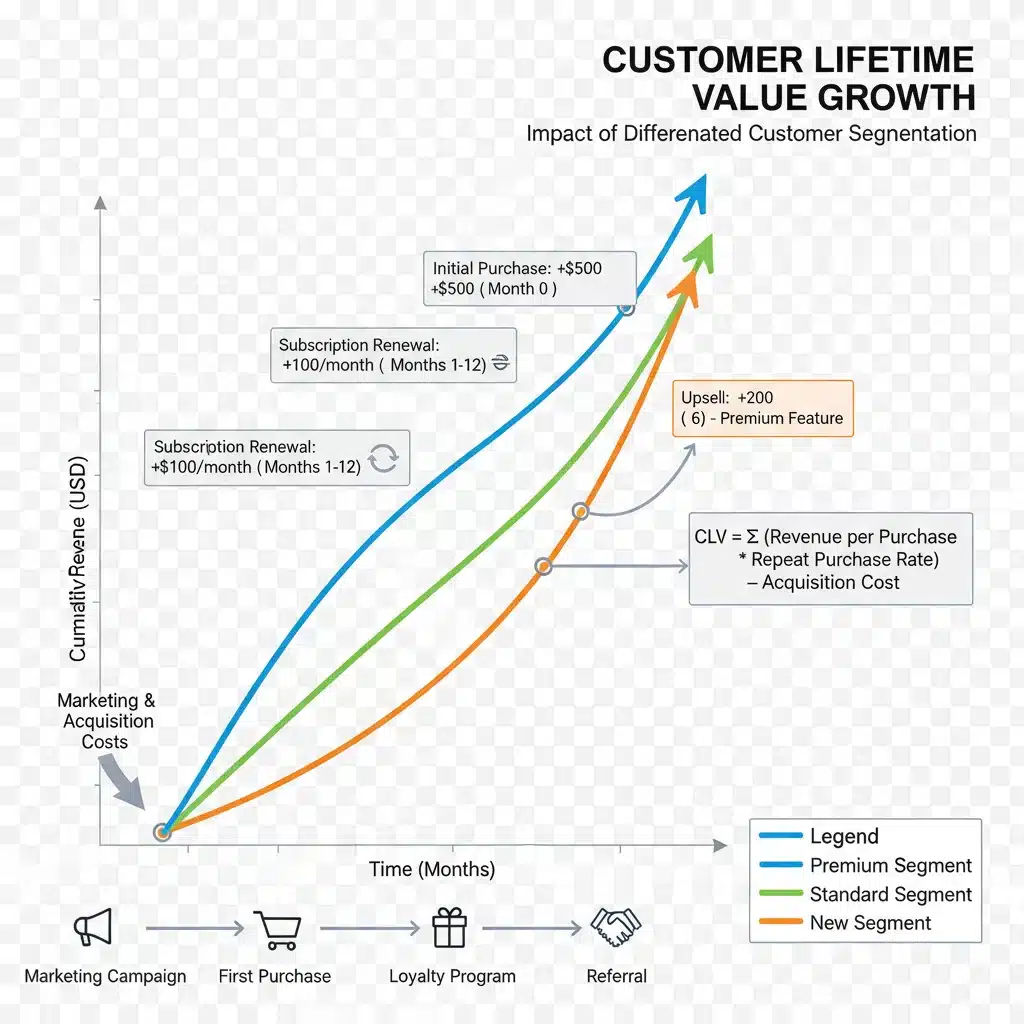
In a saturated market, acquiring new customers can be incredibly expensive. This is where Customer Lifetime Value (CLV) steps in as a paramount marketplace data point. CLV represents the total revenue a business can reasonably expect from a single customer account throughout their relationship with the business. In 2026, with increasing customer acquisition costs and fierce competition, understanding and optimizing CLV will be non-negotiable for US marketplace sellers.
Why CLV is More Critical Than Ever in 2026
- Sustainable Growth: Focusing on CLV shifts the perspective from one-off sales to building long-term, profitable customer relationships. Repeat customers often spend more over time and are less expensive to serve.
- Optimized Marketing Spend: Knowing your CLV allows you to determine how much you can realistically spend to acquire a new customer. If your CLV is high, you can invest more in acquisition strategies, knowing you’ll recoup the cost and generate profit over time.
- Enhanced Customer Retention: By understanding which customer segments have the highest CLV, you can tailor retention strategies, loyalty programs, and personalized communications to keep those valuable customers engaged.
- Improved Product Development: Insights from high-CLV customers can inform future product development and service enhancements, ensuring you’re building offerings that resonate with your most profitable audience.
How to Calculate and Track CLV
While various complex models exist, a simplified CLV calculation involves:
- Average Purchase Value: Total revenue / Number of purchases.
- Average Purchase Frequency Rate: Number of purchases / Number of unique customers.
- Customer Value: Average Purchase Value x Average Purchase Frequency Rate.
- Average Customer Lifespan: Average number of years a customer continues to purchase from you.
- CLV: Customer Value x Average Customer Lifespan.
It’s crucial to segment your CLV data. Analyze CLV by product category, acquisition channel, demographic, and even specific marketing campaigns. This granular analysis will reveal which segments are most profitable and where to focus your resources.
Leveraging CLV for Competitive Advantage
Once you have a clear picture of your CLV, you can implement strategies such as:
- Personalized Marketing: Use purchase history and browsing behavior to offer relevant product recommendations and promotions.
- Loyalty Programs: Reward repeat purchases and encourage continued engagement.
- Exceptional Customer Service: High-quality support can significantly extend customer lifespan and increase satisfaction.
- Subscription Models: For suitable products, subscription services can dramatically boost CLV by ensuring recurring revenue.
- Feedback Loops: Actively solicit and respond to customer feedback to improve products and overall experience.
Ignoring CLV in 2026 is akin to flying blind. It’s the compass that guides long-term profitability and sustainable growth in the competitive US marketplace arena.
2. Inventory Turnover Rate: The Efficiency Benchmark
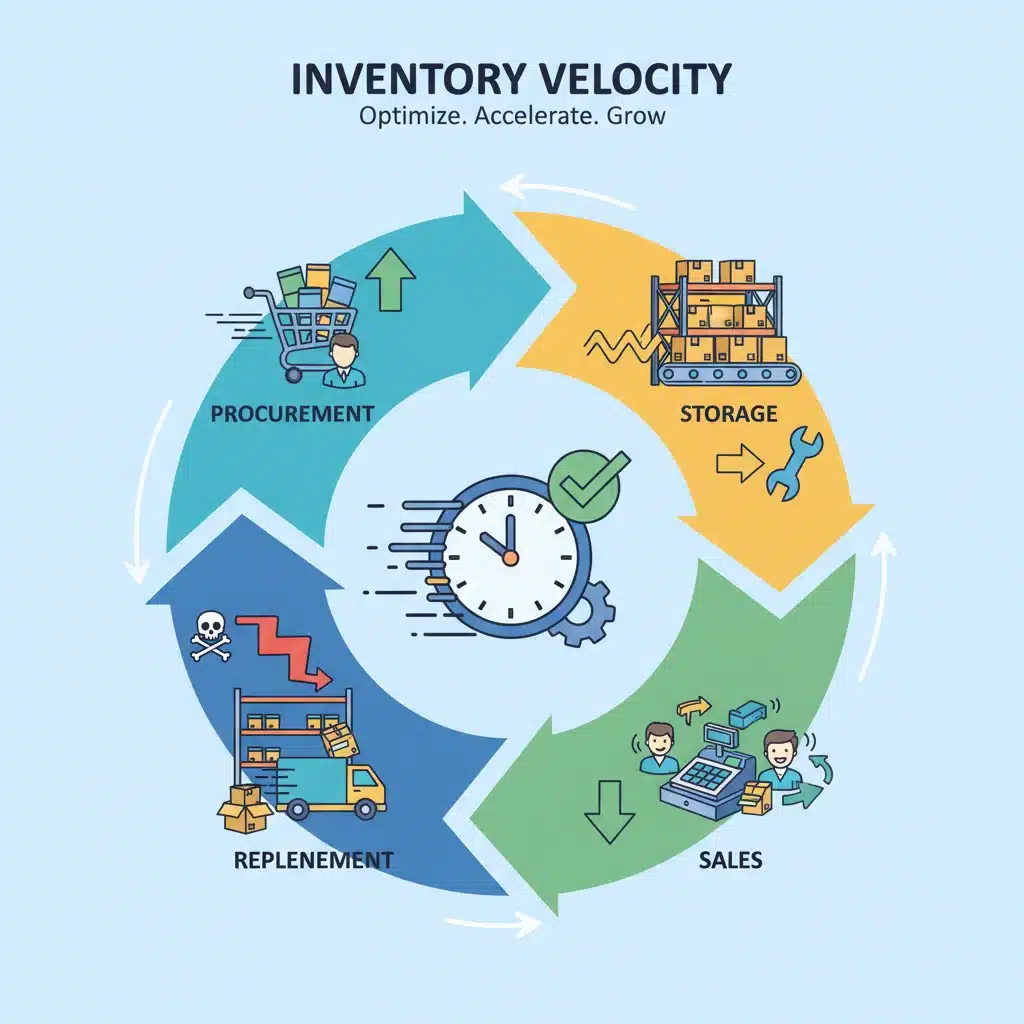
For any marketplace seller, inventory is both an asset and a liability. Too much inventory ties up capital and incurs storage costs; too little leads to stockouts and lost sales. The Inventory Turnover Rate (ITR) is a vital marketplace data point that measures how quickly a business sells and replaces its inventory over a specific period. In 2026, with supply chain complexities and fluctuating demand, optimizing ITR will be paramount for maintaining healthy cash flow and maximizing profitability.
Why ITR is Essential for 2026 Success
- Cash Flow Management: A high ITR means your capital isn’t tied up in unsold goods, allowing you to reinvest faster and improve liquidity.
- Reduced Carrying Costs: Less time spent in storage translates to lower warehousing fees, insurance costs, and reduced risk of obsolescence or damage.
- Prevention of Stockouts: Closely monitoring ITR helps predict demand more accurately, reducing the chances of running out of popular items and disappointing customers.
- Identifies Slow-Moving Products: A low ITR for specific products signals that they might be underperforming, prompting you to adjust pricing, marketing, or even consider discontinuation.
- Improved Forecasting: Consistent tracking of ITR provides valuable historical data for more accurate demand forecasting, which is critical in a dynamic marketplace.
Calculating and Interpreting ITR
The standard formula for Inventory Turnover Rate is:
Inventory Turnover Rate = Cost of Goods Sold (COGS) / Average Inventory
To calculate Average Inventory: (Beginning Inventory + Ending Inventory) / 2
A higher ITR generally indicates efficient inventory management and strong sales. However, an excessively high ITR could also signal insufficient inventory, leading to missed sales opportunities. Conversely, a low ITR points to weak sales or overstocking, which can be detrimental to profitability. The ideal ITR varies significantly by industry and product type, so benchmarking against industry averages and your own historical performance is key.
Strategies to Optimize Your Inventory Turnover Rate
- Accurate Demand Forecasting: Utilize historical sales data, seasonal trends, promotional plans, and even external factors (economic outlook, competitor activity) to predict future demand more accurately.
- Just-In-Time (JIT) Inventory: Where feasible, adopt JIT practices to receive inventory only as it’s needed, minimizing storage time and costs.
- Supplier Relationship Management: Build strong relationships with suppliers to ensure reliable and timely deliveries, reducing lead times.
- Dynamic Pricing Strategies: Implement flexible pricing to stimulate sales of slow-moving items without significantly eroding margins on fast-moving products.
- Effective Marketing and Promotions: Drive demand for products with a lower ITR through targeted marketing campaigns and sales promotions.
- Returns Management: Efficiently process returns to get products back into sellable inventory quickly, or liquidate unsellable items to avoid prolonged carrying costs.
- Technology Adoption: Invest in inventory management software that provides real-time data, automates reordering, and offers predictive analytics.
Mastering your Inventory Turnover Rate is not just about moving products; it’s about optimizing your entire operational efficiency and ensuring your capital is working for you, not against you.
3. Competitive Pricing Intelligence: The Market Edge
In the highly transparent world of online marketplaces, pricing is arguably one of the most powerful levers a seller can pull. Competitive Pricing Intelligence, as a critical marketplace data point, involves continuously monitoring and analyzing competitor pricing strategies to ensure your products are priced optimally. In 2026, with AI-driven pricing algorithms becoming more sophisticated, manual pricing adjustments will no longer suffice. Real-time, data-driven pricing intelligence will be the cornerstone of market dominance.
Why Competitive Pricing Intelligence is Indispensable in 2026
- Maximizing Profit Margins: Understanding competitor pricing allows you to price your products competitively without leaving money on the table or engaging in unnecessary price wars.
- Increased Sales Volume: Strategically priced products are more likely to attract buyers, leading to higher conversion rates and sales.
- Enhanced Buy Box Dominance: On platforms like Amazon, competitive pricing is a major factor in winning the Buy Box, which is crucial for visibility and sales.
- Agile Market Response: Real-time data enables you to quickly react to competitor price changes, promotional offers, and new product launches.
- Strategic Positioning: Pricing isn’t just about being the cheapest; it’s about positioning your brand. Intelligence helps you decide whether to compete on price, value, or a blend of both.
Gathering and Utilizing Pricing Intelligence
Gone are the days of manually checking competitor websites. In 2026, effective competitive pricing intelligence relies on:
- Automated Price Trackers: Utilize specialized software that continuously scrapes and monitors competitor prices across various marketplaces.
- Dynamic Pricing Tools: Implement tools that can automatically adjust your prices based on predefined rules, competitor movements, demand fluctuations, and inventory levels.
- Competitor Analysis Reports: Generate regular reports that highlight pricing trends, identify key competitors, and pinpoint opportunities for price adjustments.
- Customer Perception Data: Combine pricing data with customer reviews and feedback to understand the perceived value of your products versus competitors’.
- Promotional Monitoring: Track competitor promotions, discounts, and bundling strategies to inform your own marketing efforts.
Implementing a Smart Pricing Strategy
With robust pricing intelligence, you can adopt advanced strategies:
- Value-Based Pricing: Price according to the perceived value of your product to the customer, rather than just cost-plus or competitor matching.
- Penetration Pricing: Initially set lower prices to gain market share, then gradually increase as your brand establishes itself.
- Skimming Pricing: Start with high prices for innovative products and gradually lower them over time.
- Psychological Pricing: Utilize pricing tactics like charm pricing ($9.99 instead of $10) or anchor pricing.
- Geographic Pricing: Adjust prices based on regional demand, competition, and purchasing power.
The goal is not just to match prices but to find the sweet spot that maximizes both sales volume and profit margins. Competitive pricing intelligence provides the data necessary to make these nuanced decisions.
Integrating These Data Points for Holistic Success
While each of these marketplace data points—Customer Lifetime Value, Inventory Turnover Rate, and Competitive Pricing Intelligence—is powerful on its own, their true potential is unlocked when they are integrated and analyzed holistically. Imagine a scenario where you:
- Use CLV insights to identify your most valuable customers, then tailor promotions based on competitive pricing intelligence to retain them.
- Adjust your inventory levels (ITR) based on anticipated demand influenced by competitor pricing strategies.
- Optimize pricing (Competitive Pricing Intelligence) for products with high CLV potential, ensuring you capture maximum value from your best customers while maintaining healthy inventory.
This interconnected approach allows US marketplace sellers to build a robust, data-driven strategy that addresses both short-term sales goals and long-term profitability. In 2026, the businesses that master this integration will be the ones that truly stand out.
The Future of Marketplace Selling: Data as Your North Star
As we navigate the complexities of the 2026 e-commerce landscape, the role of data will only intensify. The ability to not just collect, but to interpret and act upon critical marketplace data points will define market leaders. The competitive environment on US marketplaces is becoming increasingly sophisticated, with AI and machine learning playing a larger role in everything from customer recommendations to supply chain optimization. Sellers who embrace this data-centric approach will be better equipped to adapt, innovate, and thrive.
Beyond the three core data points discussed, sellers should also keep an eye on emerging metrics related to customer experience, sustainability, and ethical sourcing, as these factors increasingly influence consumer purchasing decisions. However, CLV, ITR, and Competitive Pricing Intelligence form the foundational pillars upon which any successful 2026 marketplace strategy must be built.
Conclusion: Empowering Your Marketplace Strategy with Data
In conclusion, for US marketplace sellers aiming to outperform competitors in 2026, diligently monitoring and strategically leveraging Customer Lifetime Value, Inventory Turnover Rate, and Competitive Pricing Intelligence is not optional—it’s imperative. These marketplace data points provide the clarity and foresight needed to make informed decisions, optimize operations, and cultivate lasting customer relationships. By embedding these metrics into your core business strategy, you will not only navigate the challenges of the future but also seize the opportunities it presents, securing your position as a leader in the dynamic world of online retail.
Start preparing now. Invest in the tools and expertise required to capture, analyze, and act on these critical insights. The future of your marketplace success depends on it.